UX Quick Tips & Product Design for All
UX Quick Tips & Product Design for All is a self-initiated education project I created to teach product design through daily visual posts on LinkedIn.
I started it to share better design practices and grow beyond client work. It became three connected phases: UX Quick Tips, an Automotive Edition, and Product Design for All.
Across all three, I covered UX, UI, product thinking, accessibility, and common design mistakes, building one clear way to explain what makes an experience good. It's the same skill I use to align stakeholders on real products.
The audience included junior designers, founders, product teams, recruiters, and anyone curious about how good products are designed.
UX Quick Tips
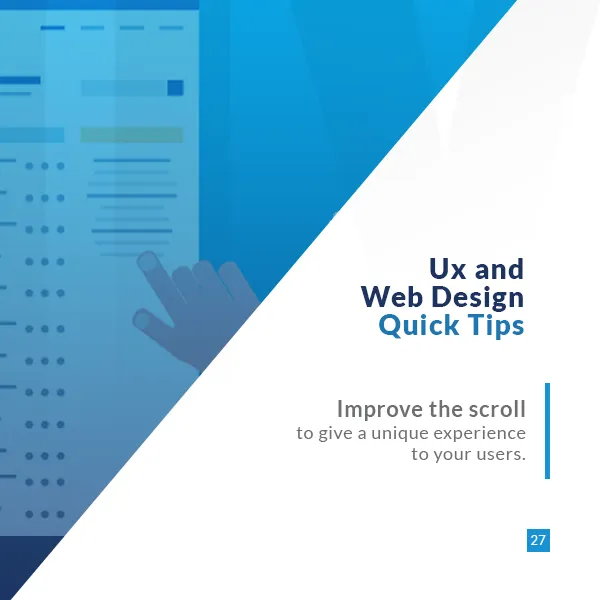
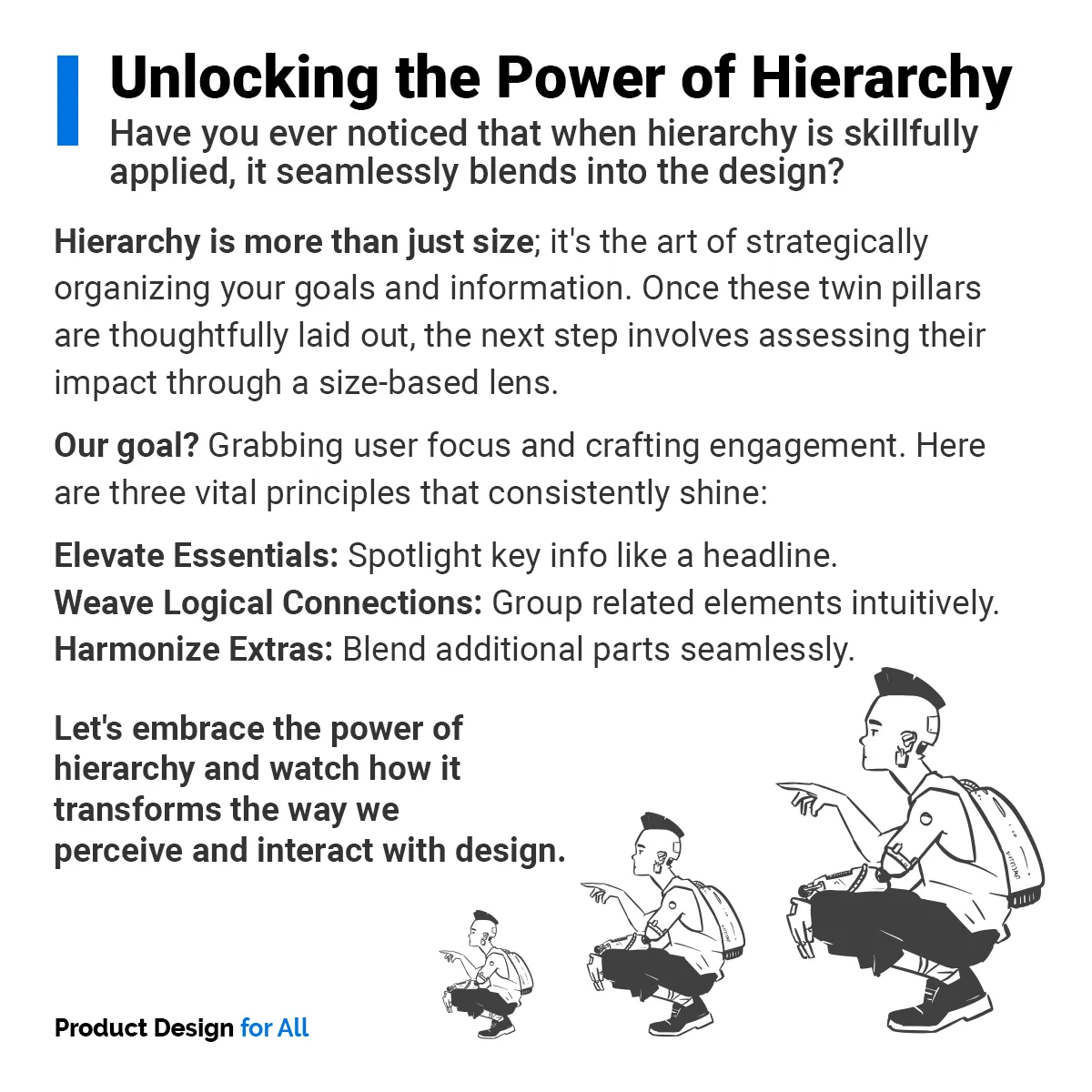
UX Quick Tips was the first phase: a daily LinkedIn series of simple square posts on usability and UX fundamentals. Each post tackled one practical topic: common design mistakes, interface decisions, visual hierarchy, and UX writing. This phase gave me a repeatable content planning system, sharpened my visual communication, and put my design thinking in public every day.

UX Quick Tips Automotive Edition
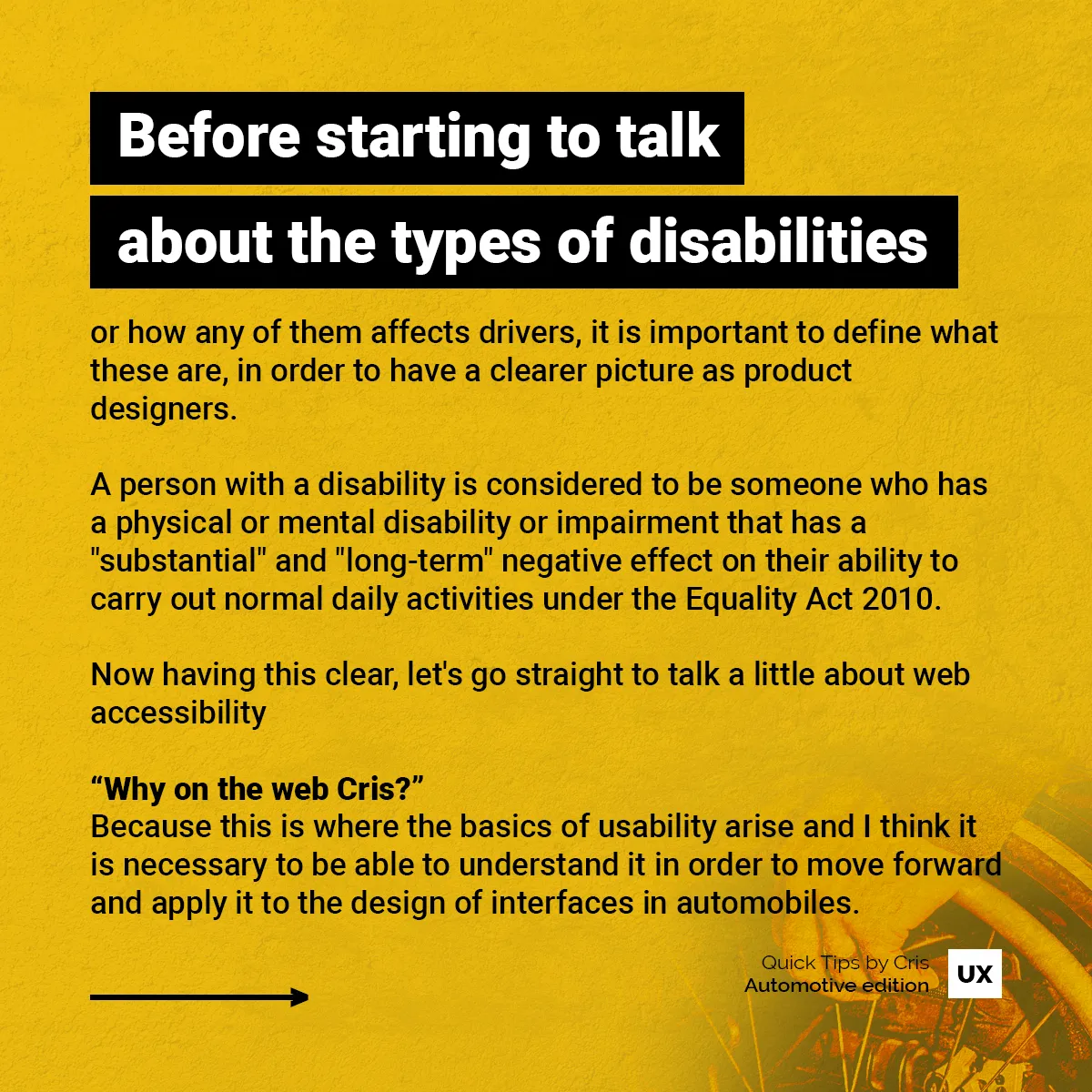
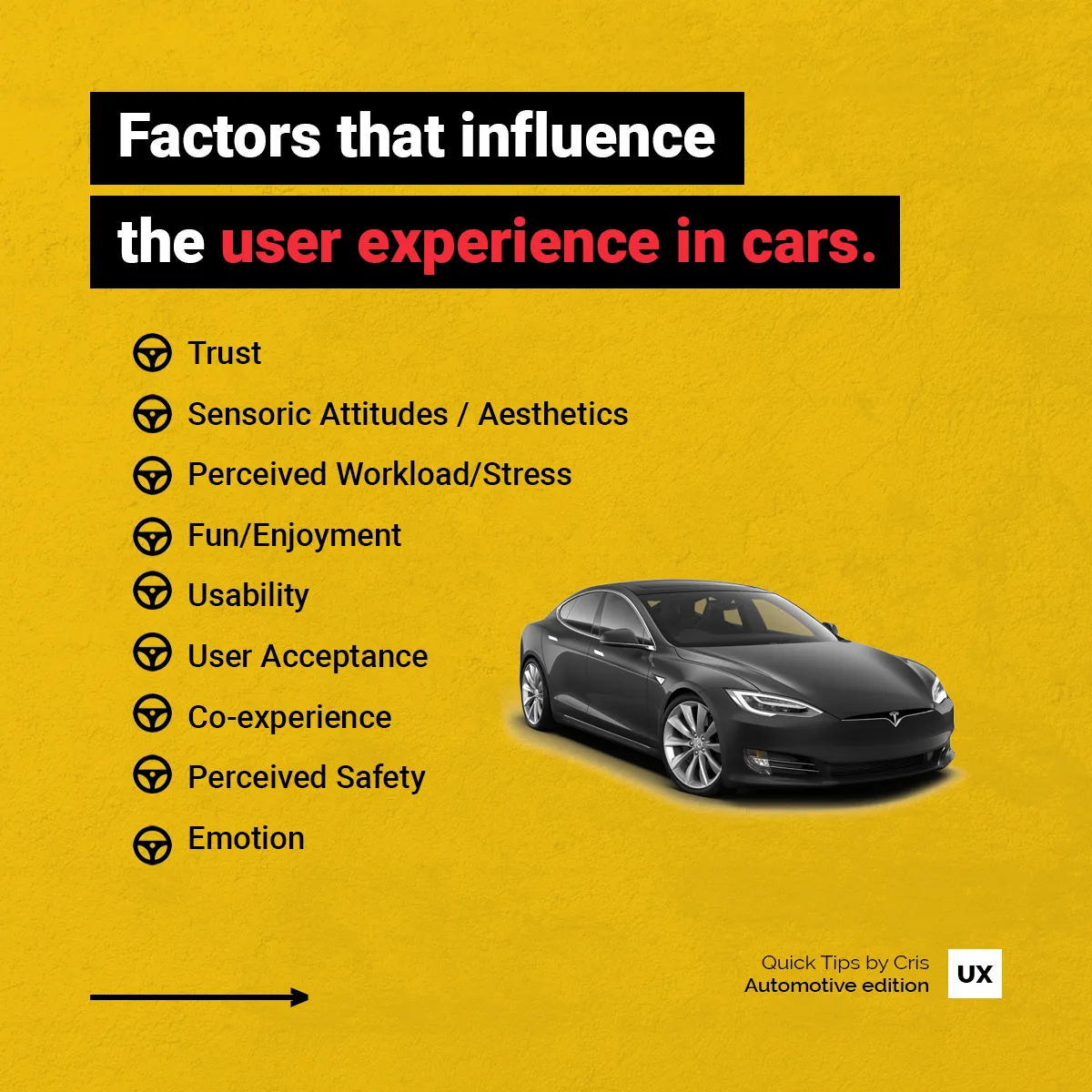
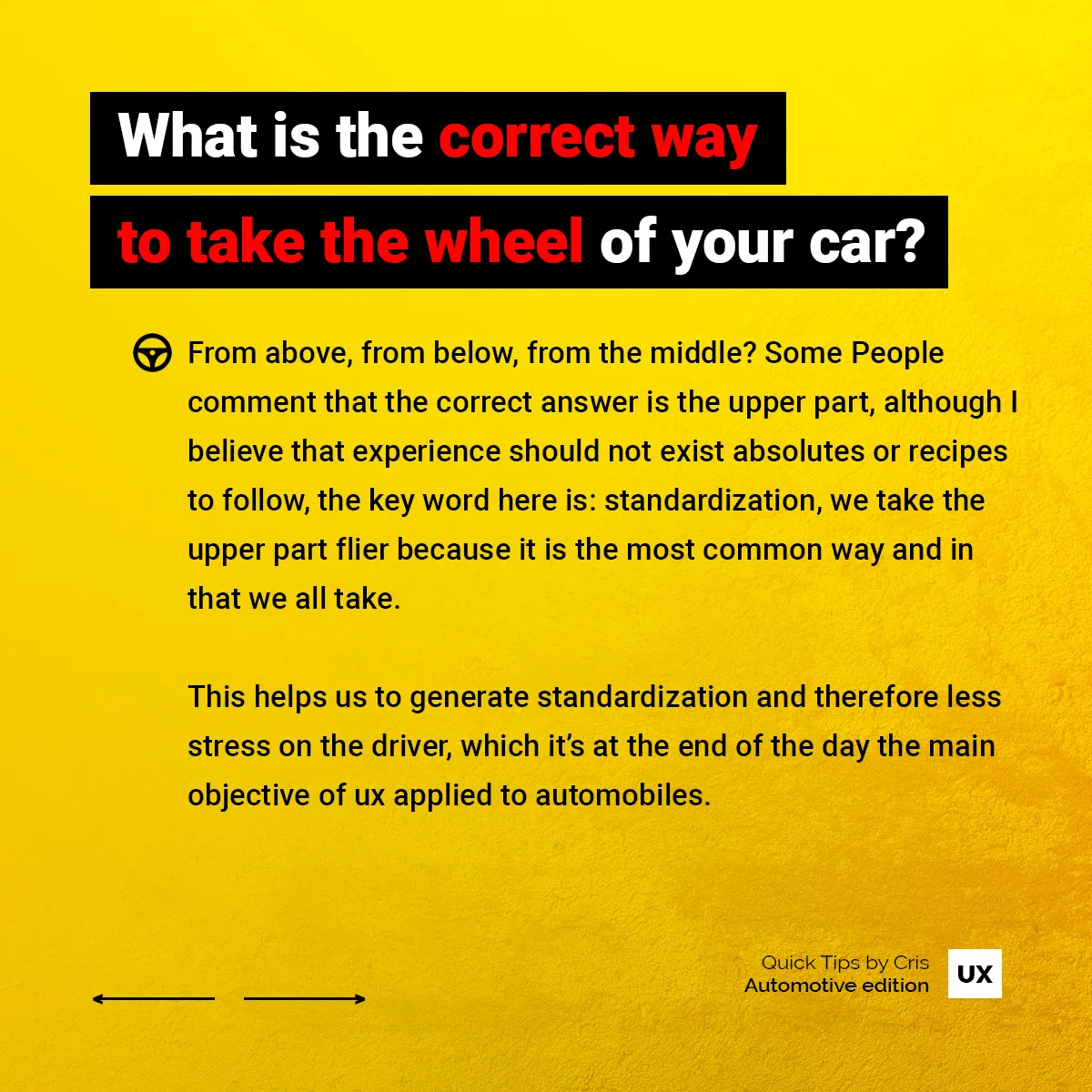
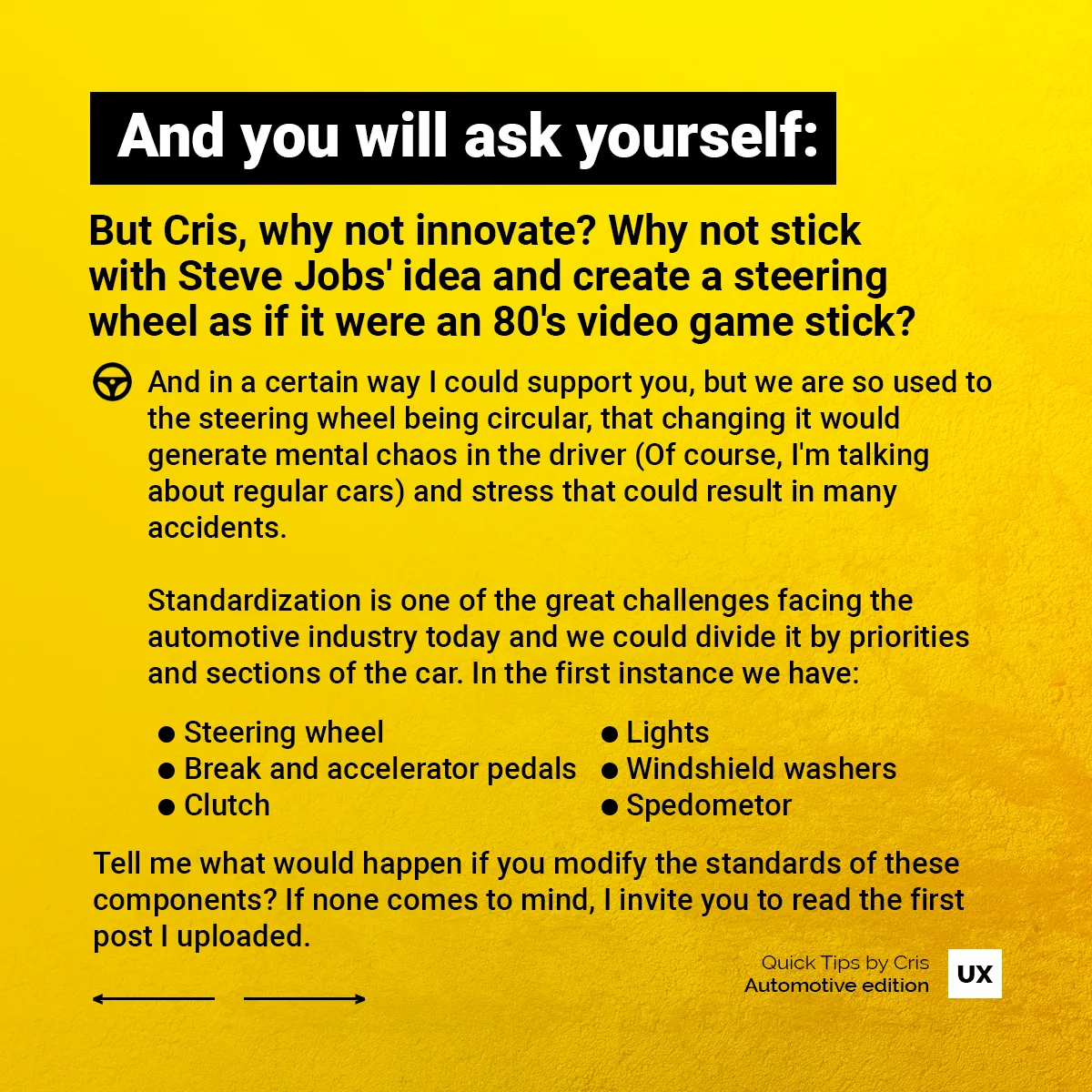
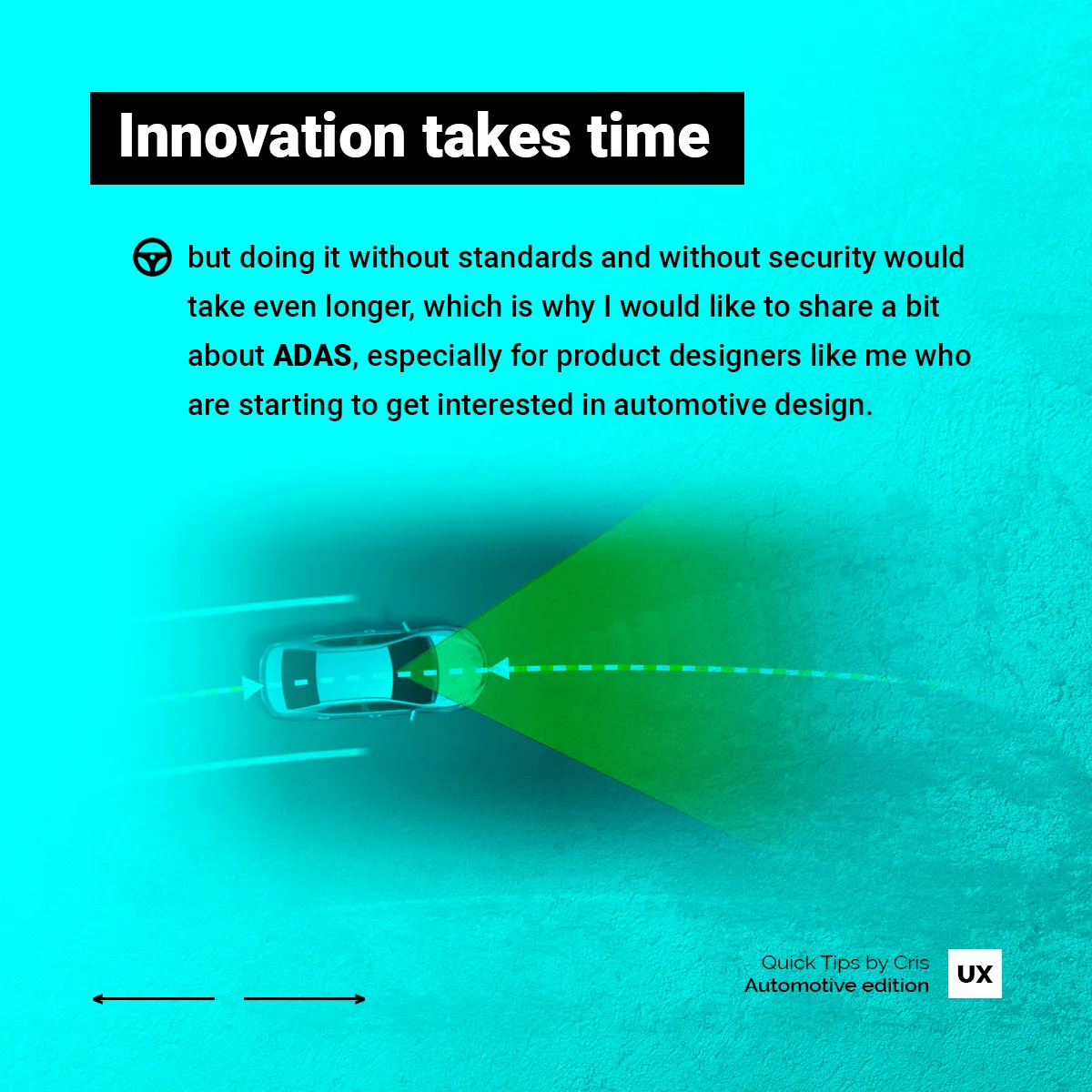
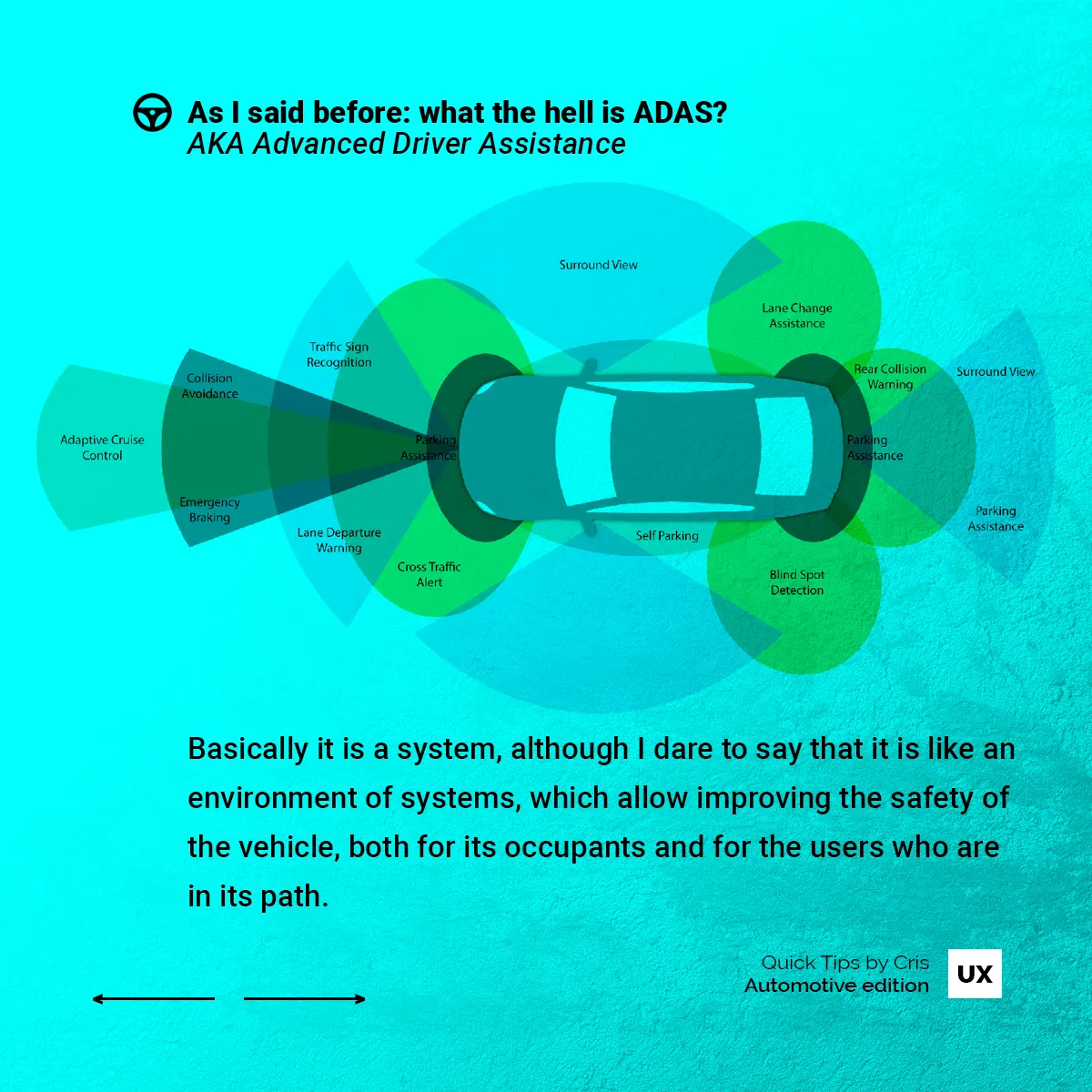
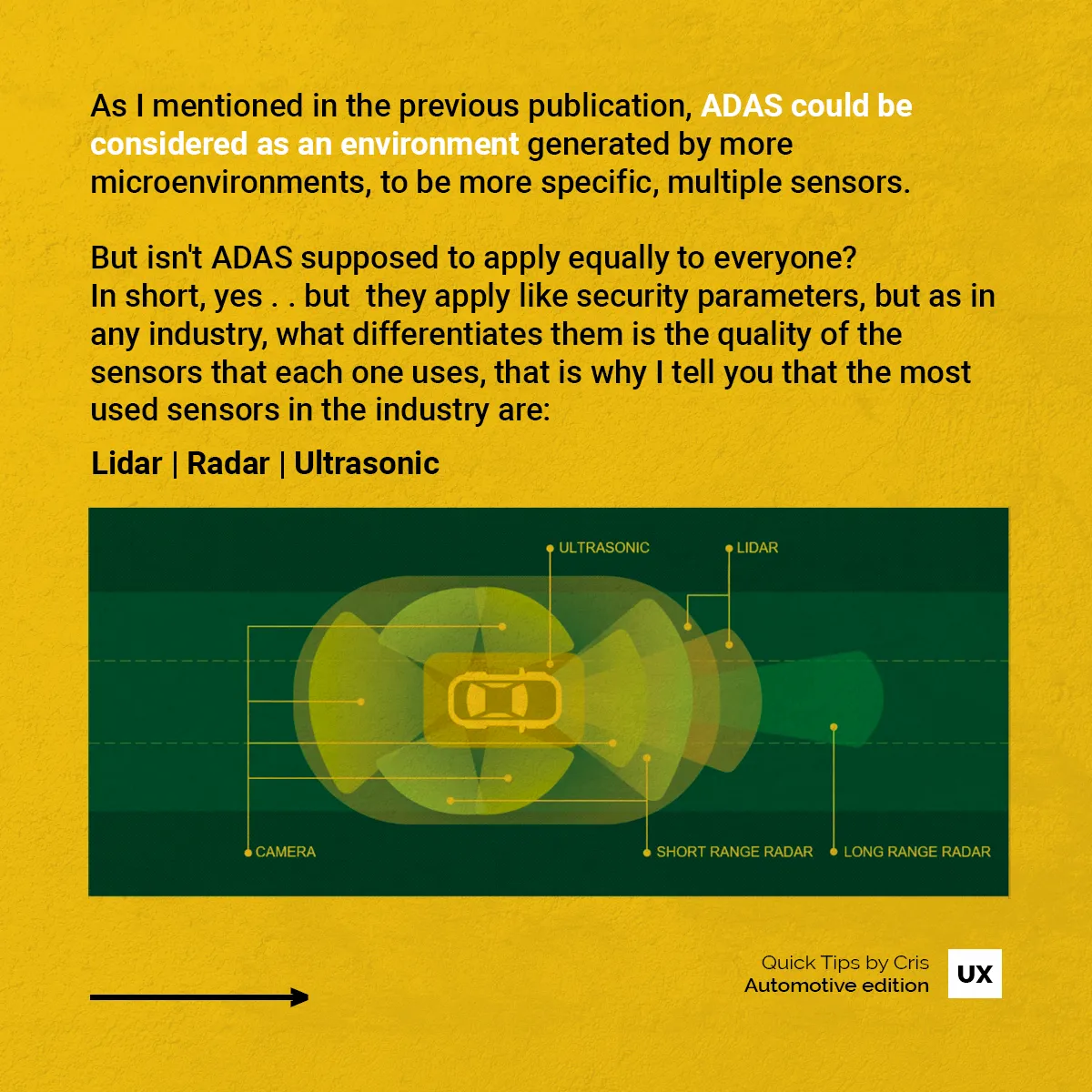
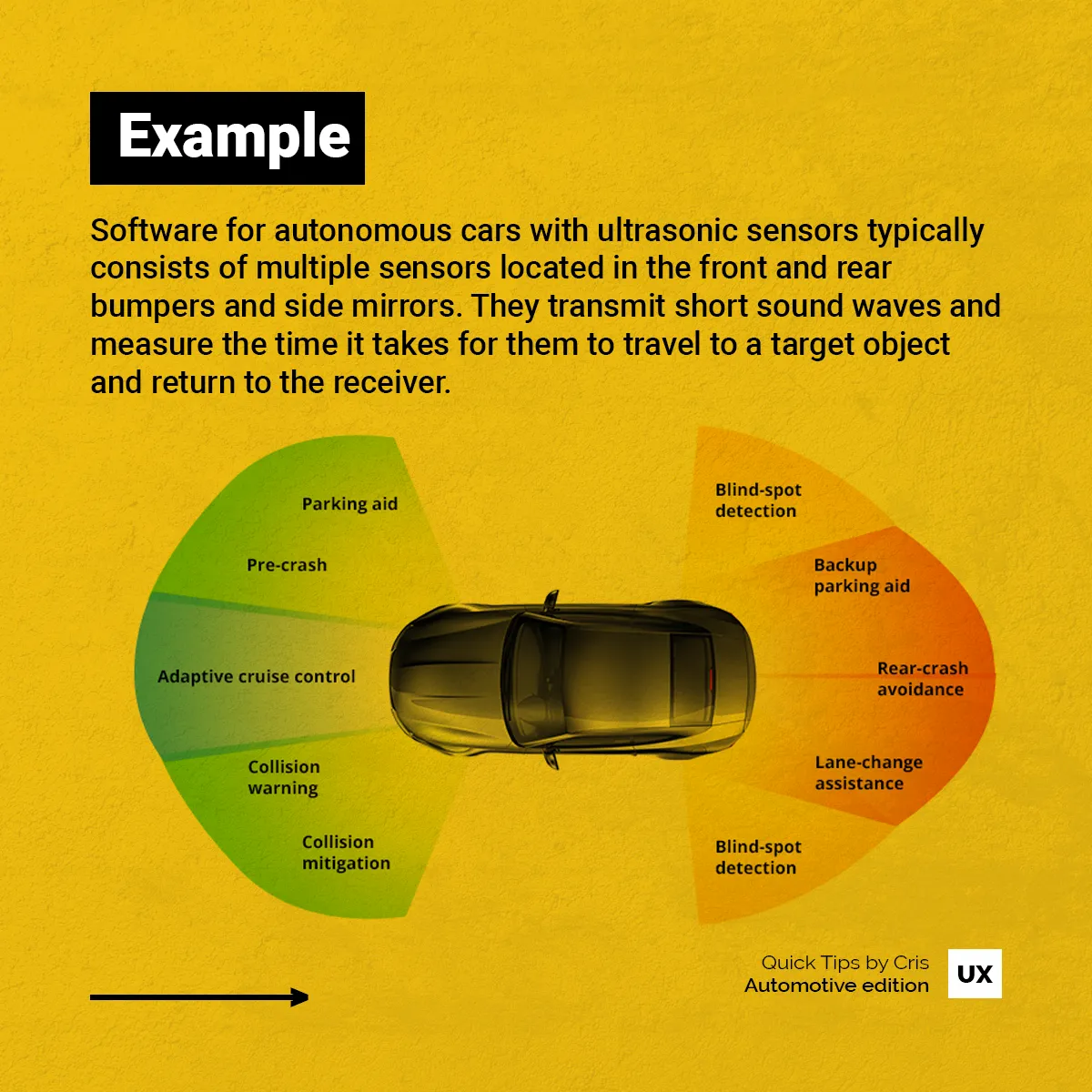
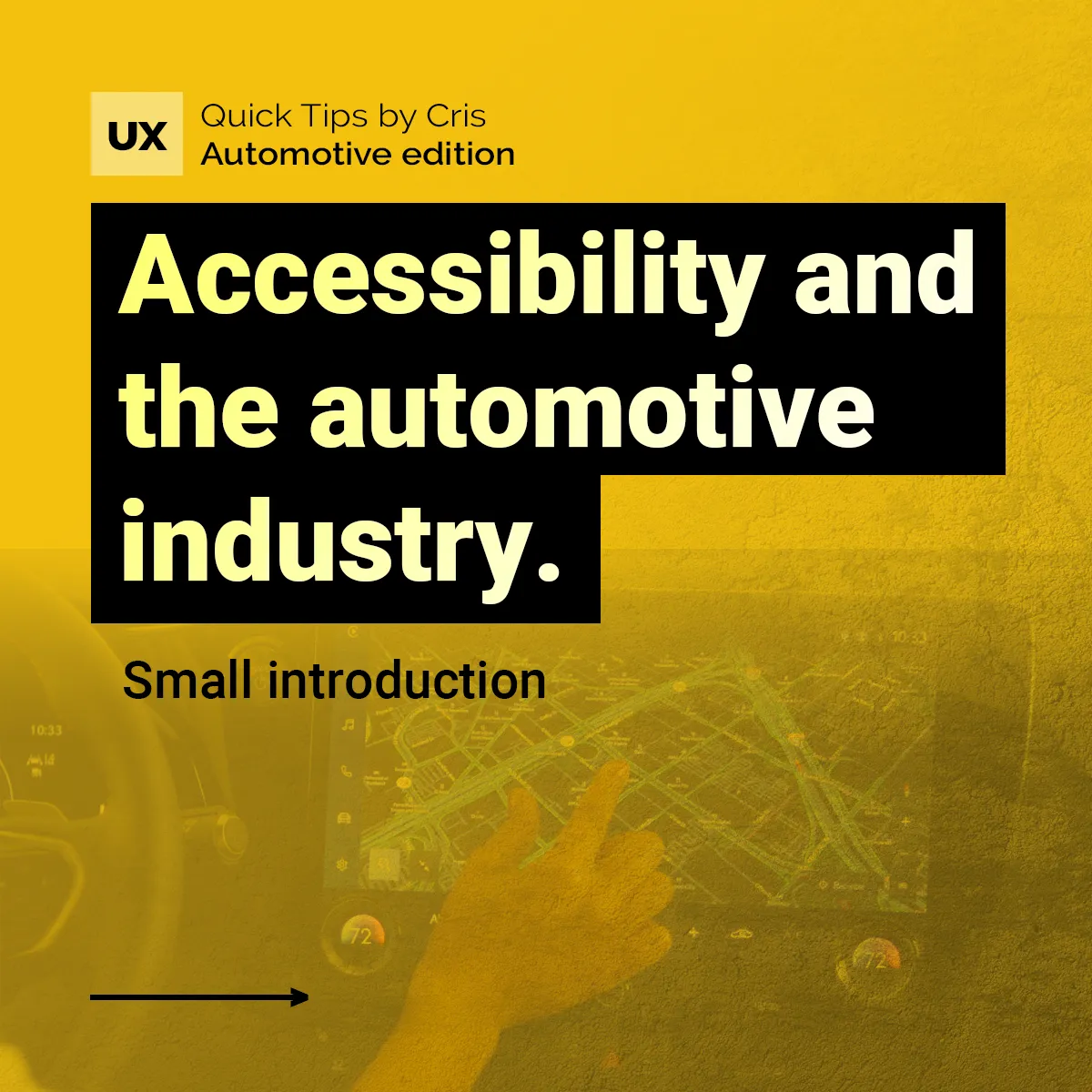
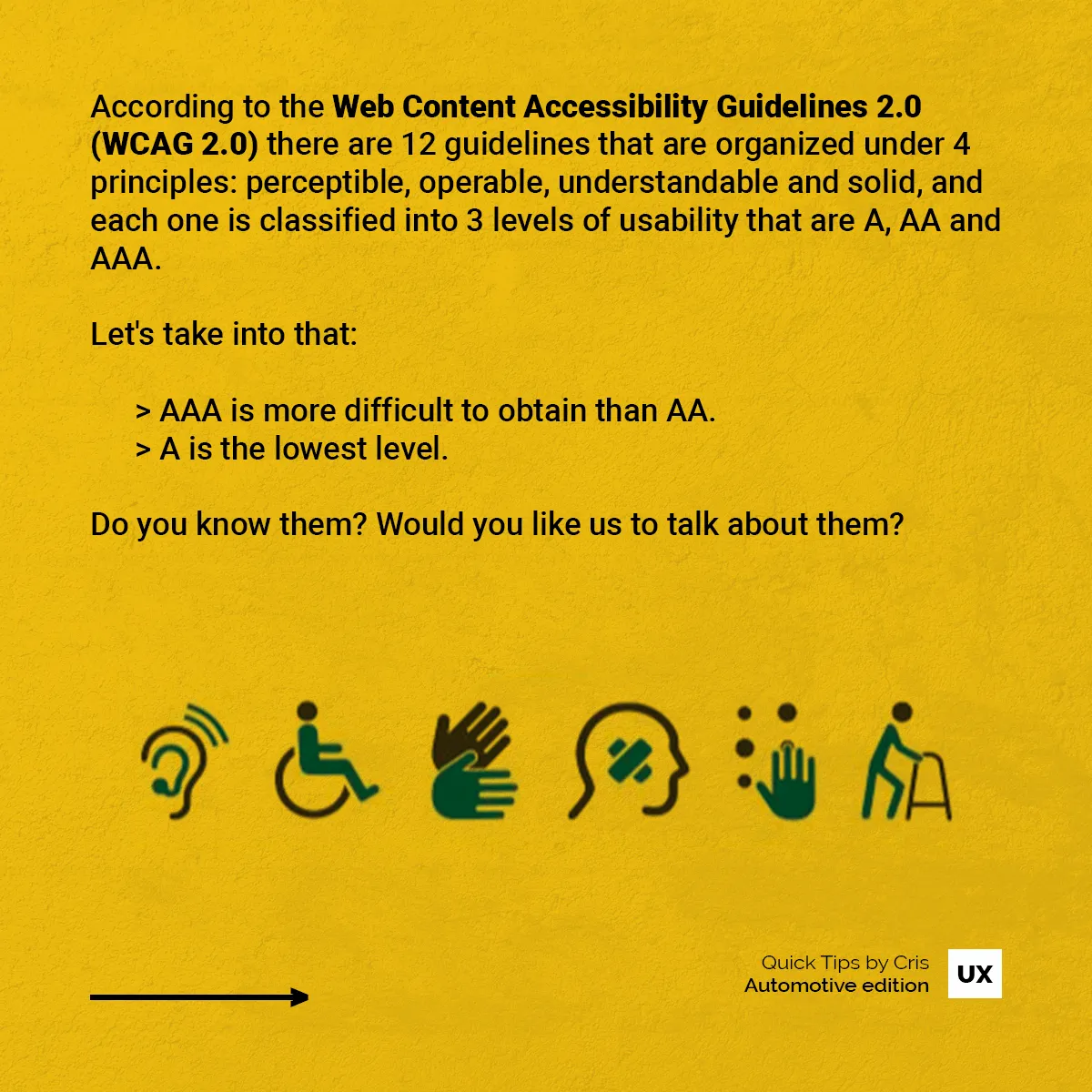
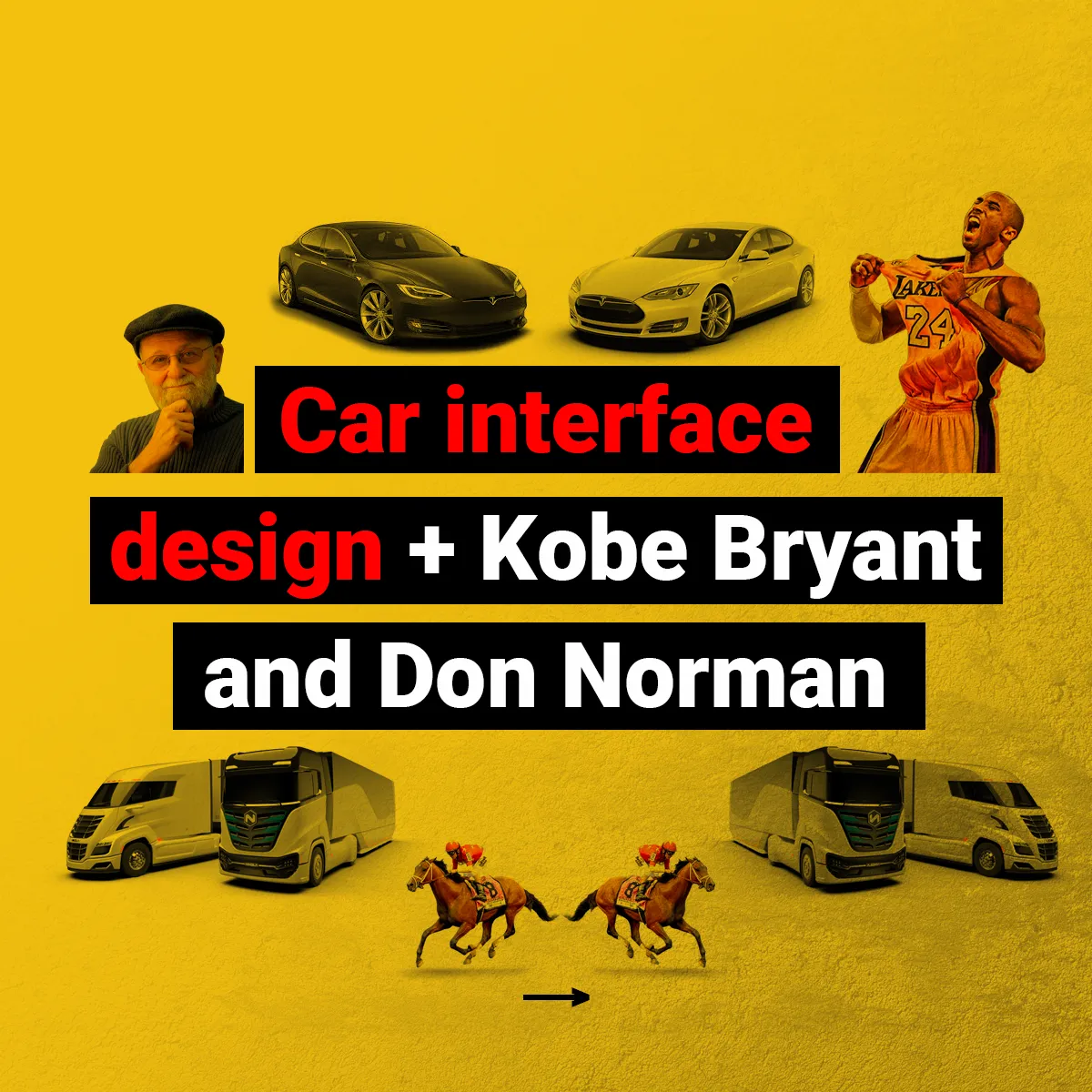
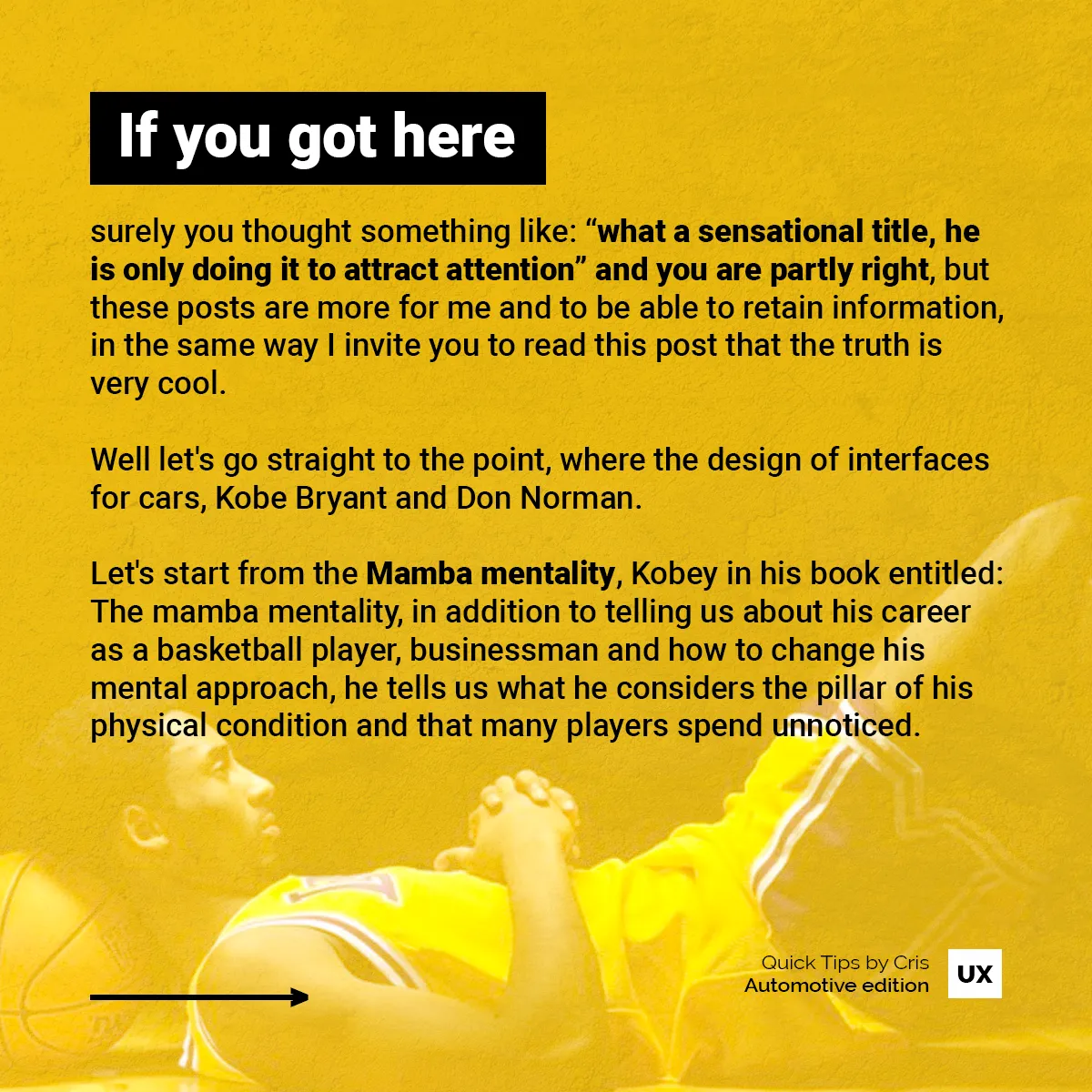
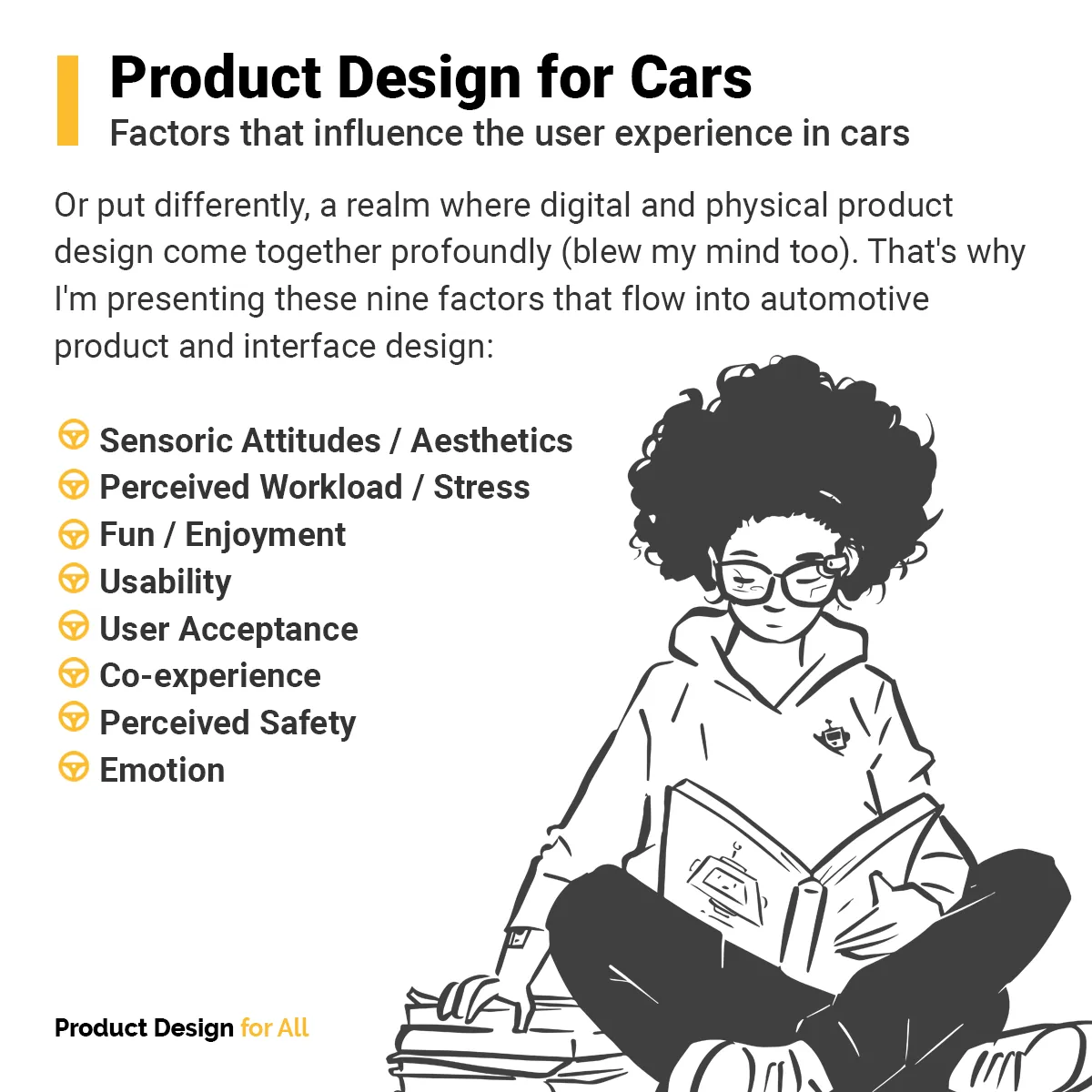
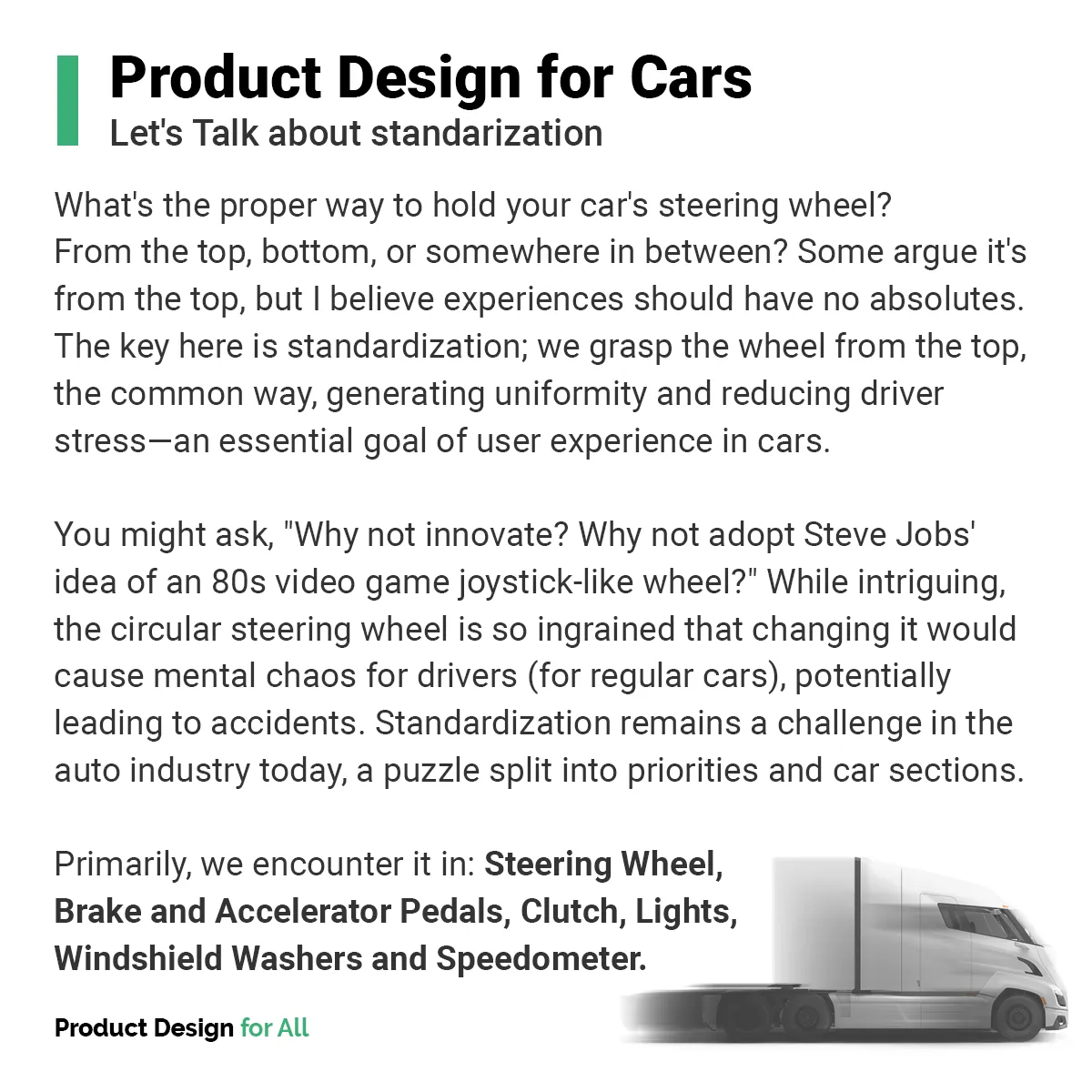
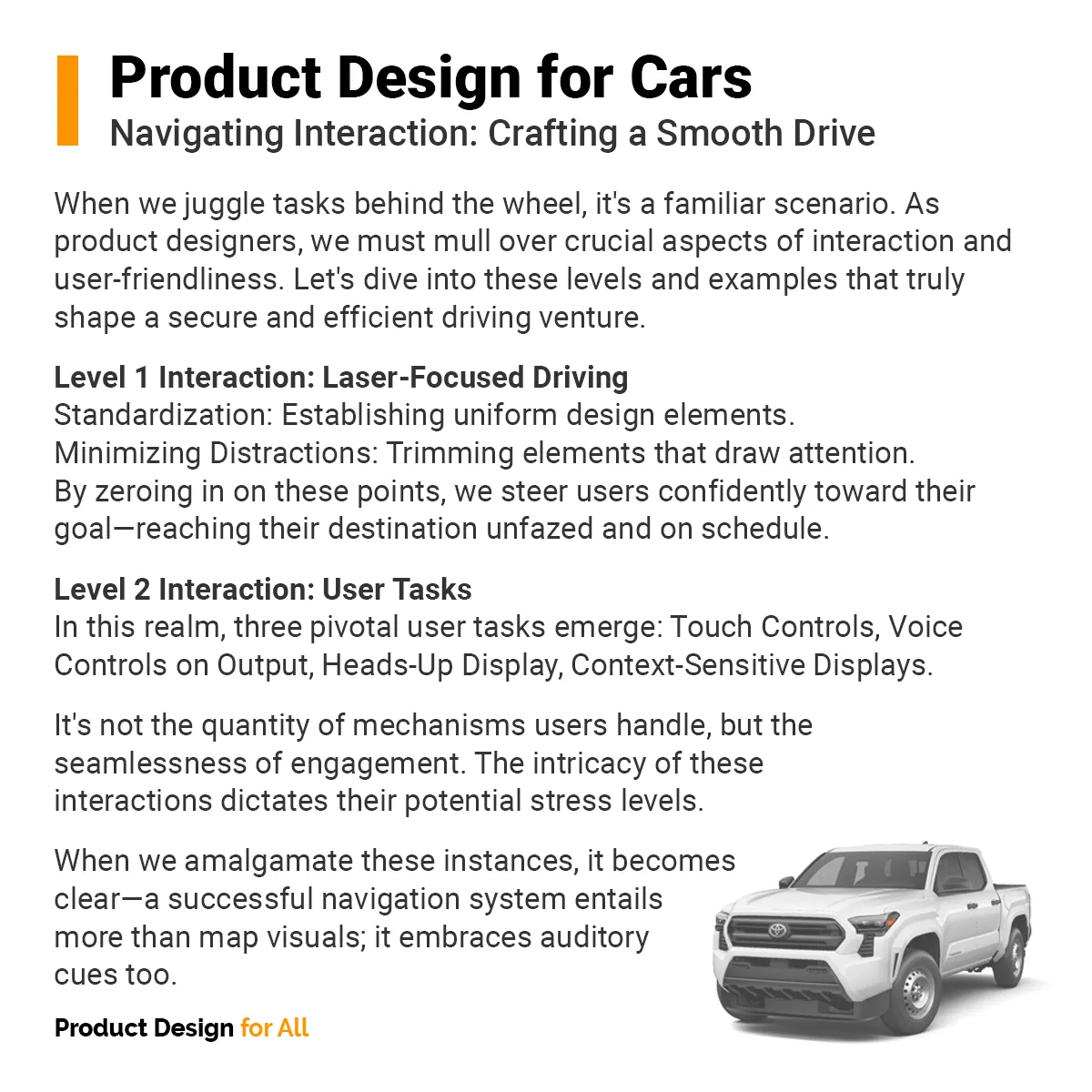
The Automotive Edition took the original series into a specialized area: vehicle and mobility UX. It focused on how interfaces, sensors, warnings, safety parameters, and driver feedback shape behavior behind the wheel. Designing for vehicles means accounting for movement, attention, risk, space, weather, and human behavior, all at once.
It proved that UX isn't limited to screens. It's about designing interactions that help people make good decisions under pressure.




Product Design for All
Product Design for All was the third phase and a natural evolution of UX Quick Tips.
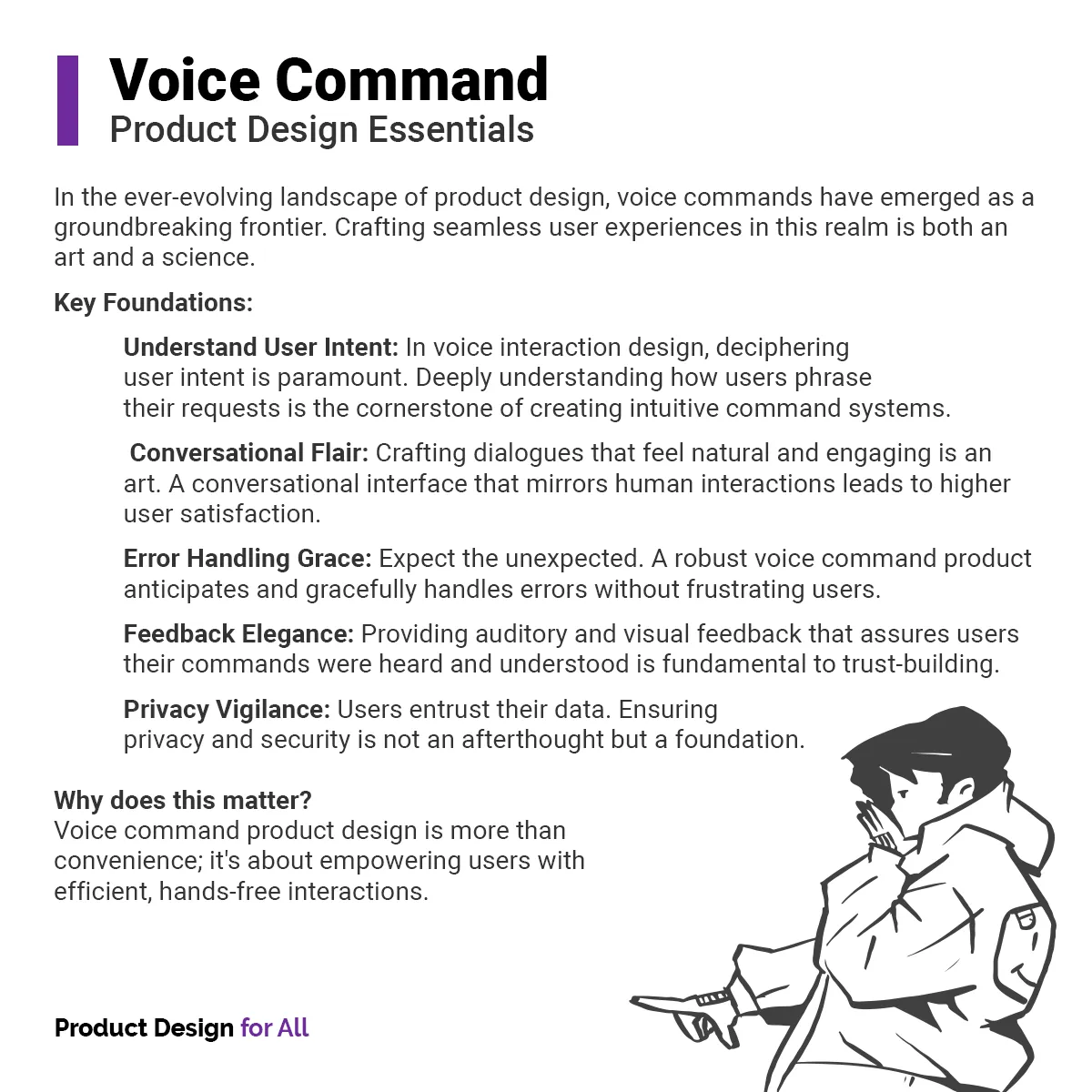
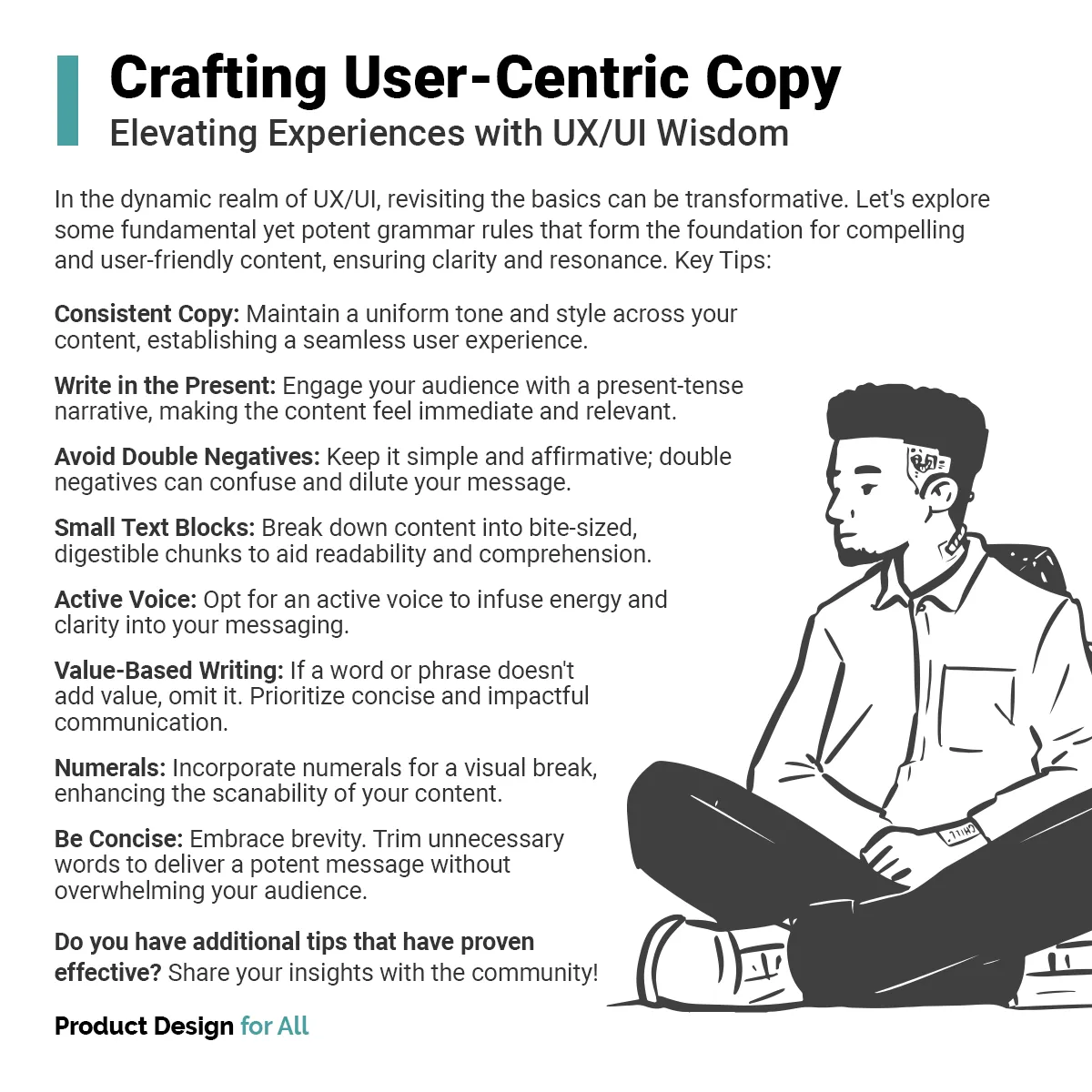
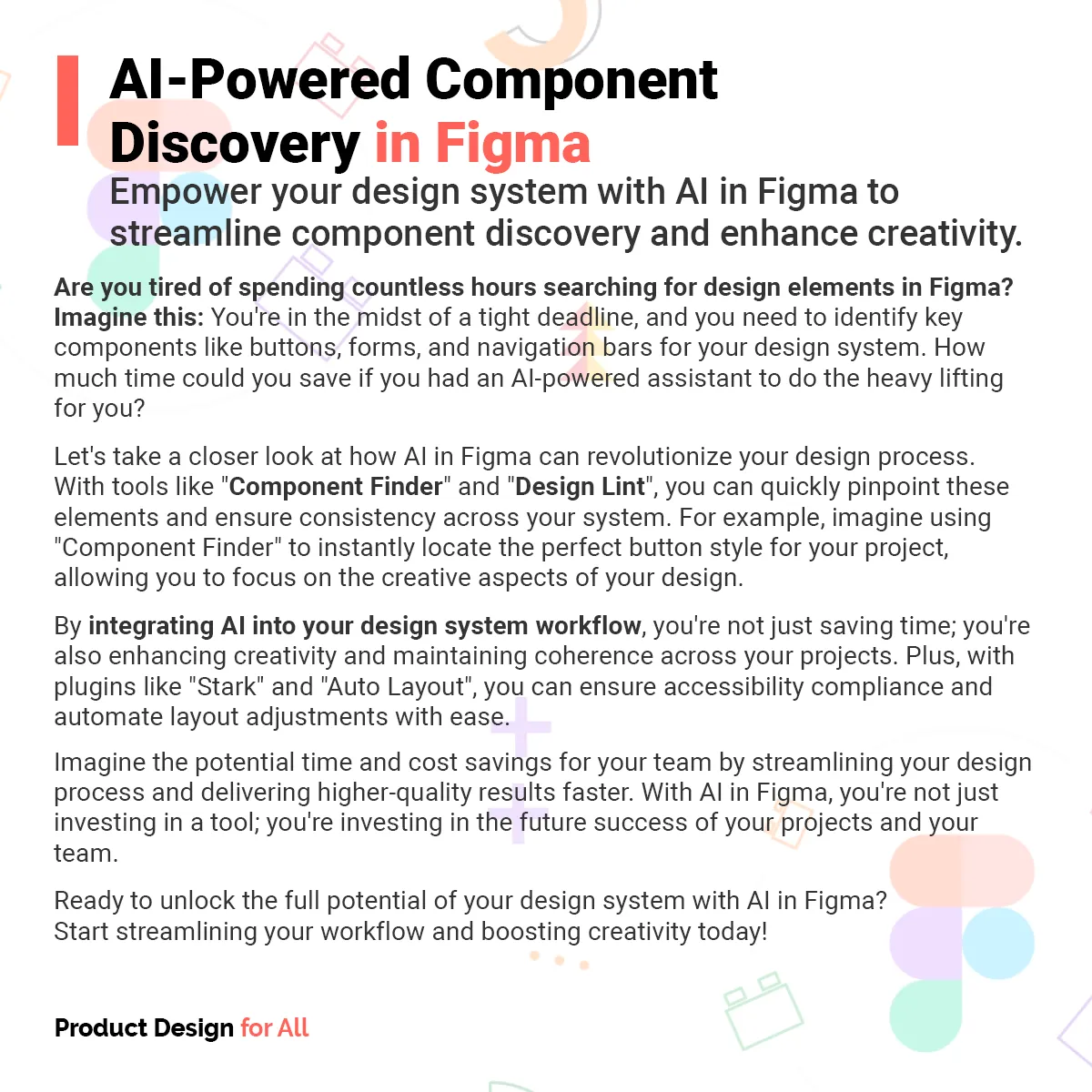
In 2024, I moved to a shorter, more direct format that explains product design to a general audience. This phase included 31 posts that make product design thinking accessible to people outside the design world.
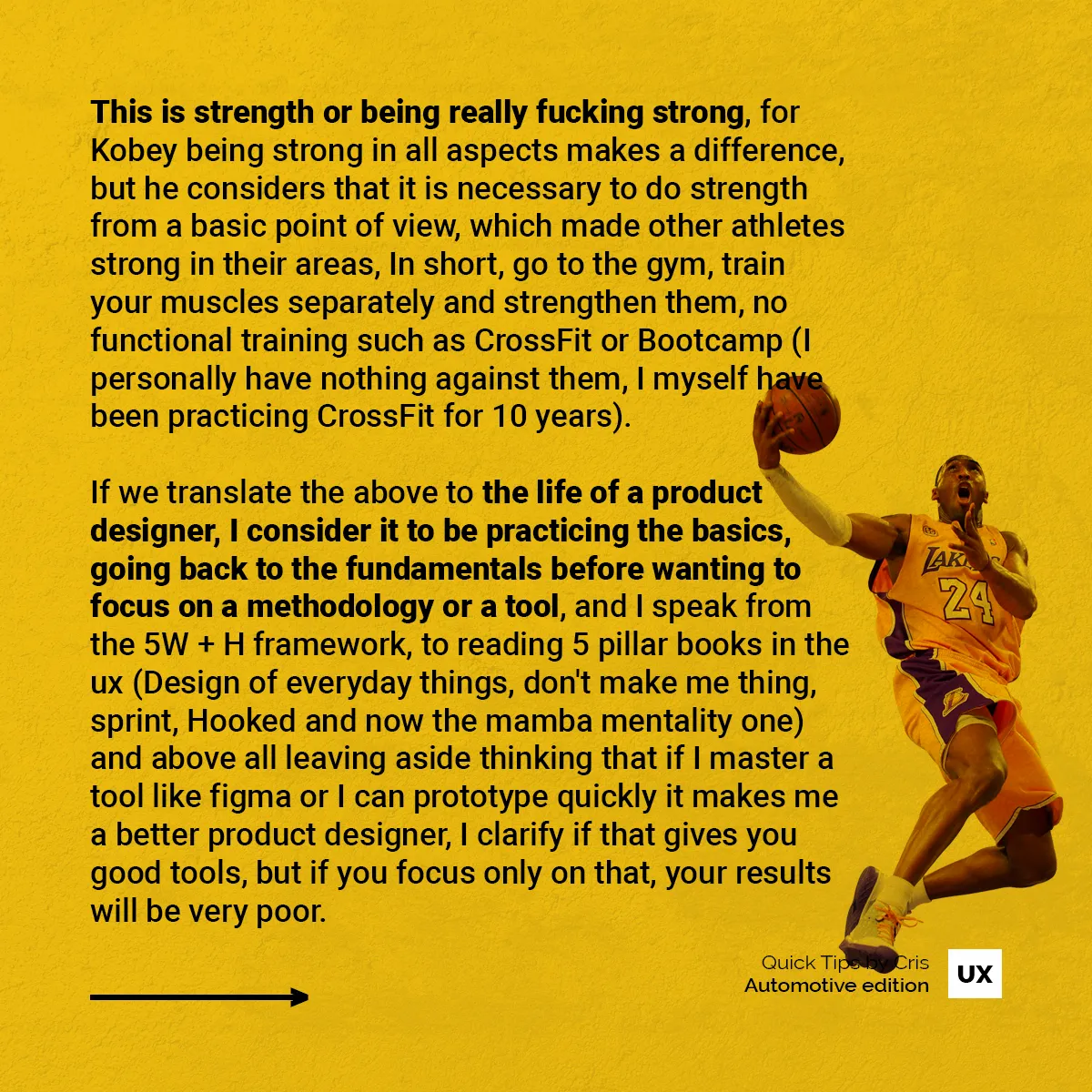
The series went beyond single UX tips to show how product designers think: how they prioritize, simplify, and make decisions.It kept the educational spirit of the original project, with a tighter format and a broader scope.








What this project built
Together, UX Quick Tips, the Automotive Edition, and Product Design for All became one connected, multi-phase education system. It built my publishing discipline, a repeatable planning process, and my ability to explain complex design ideas visually. More importantly, it became a public body of work that shows how I approach design: simplifying complexity, explaining decisions clearly, and improving how people experience products.