Sanoz
Food
Building a healthy meal delivery service through brand identity, weekly menu planning, customer communication, and route-based operations.
Sanoz was a healthy meal delivery service designed for people who wanted to eat better during the week without having to plan, shop, cook, or prepare daily lunches. As one of the original founders, I helped shape the brand, customer experience, sales strategy, social media communication, internal workflows, and delivery logistics during the
first three years of the business.
Support
Service at a Glance
Sanoz was built around a simple weekly rhythm: publish the menu, receive orders, prepare meals at scale, label each order, and deliver by route.

What
Sanoz was a healthy meal delivery service built around a weekly menu. Each day had a different meal, but the menu was structured to repeat at scale, allowing the kitchen to plan
ingredients, production, pricing, and delivery more efficiently.

Who
The service was designed for busy people between 22 and 50 years old who wanted a practical way to eat healthy during the week. This included office workers, fitness-focused customers, people with demanding routines, and anyone looking to improve their eating habits without cooking every day.

When
The business started around 2013-2014 and continues operating today. My involvement was during the first three years as one of the original founders.

Where
Sanoz operated as a local delivery service. The city was divided into four delivery sectors, allowing the team to organize routes, manage timing, and coordinate kitchen output with daily
deliveries.

Why
The main problem was simple: people wanted to eat healthier, but they did not always have the time, discipline, or logistics to prepare their own meals. Sanoz offered a convenient way to stay consistent with better eating habits throughout the week.

How
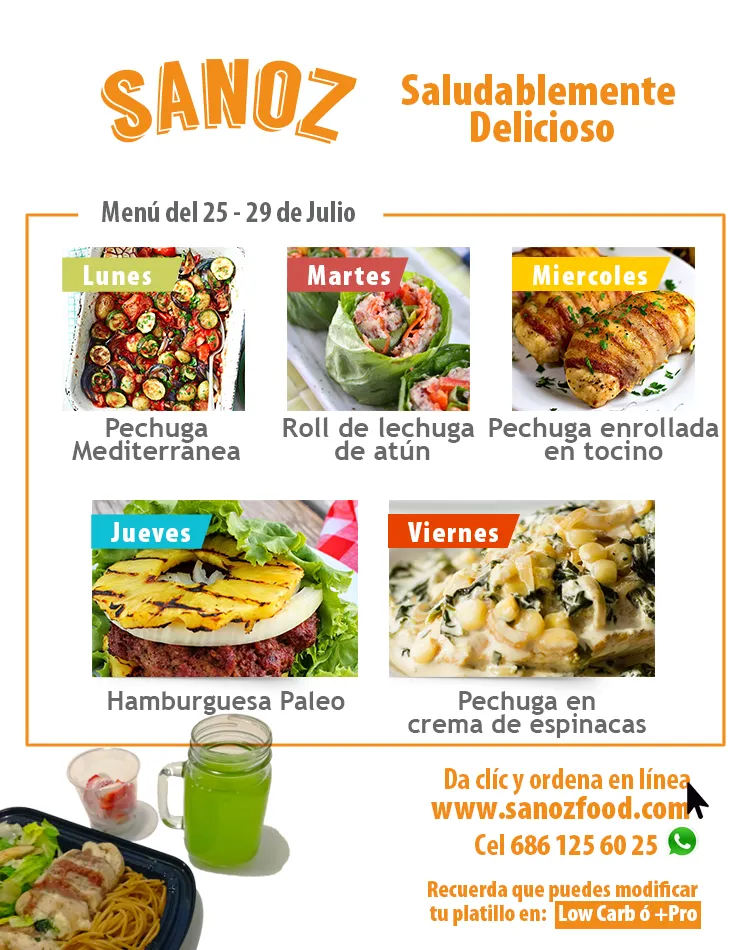
The official weekly menu was published every Sunday. Customers could order specific days or choose weekly packages. Orders were received through WhatsApp,
Facebook, and the website. The kitchen planned production in
advance, purchased ingredients in bulk, prepared meals according to the daily menu, labeled each order, and organized deliveries by route.
The Challenge
The biggest challenge was building a service that felt personal to the customer while staying operationally efficient
behind the scenes.
Customers wanted flexibility, convenience, and trust. The kitchen needed predictability, ingredient planning, clear order volumes, and realistic delivery windows. The brand had to communicate health, practicality, and consistency, but the operation had to protect margins, production time, and route efficiency.
Another important challenge was consumer education. In 2014-2015, weekly healthy meal planning was not as
normalized as it is today. Part of the work was helping customers understand that ordering their meals ahead of time
could save them time, reduce daily stress, support their diet, and become a more practical way to organize their week.
A key business decision was not offering fully customized menus. Many customers asked for personalized meal plans, but that would have broken the production model. Instead, Sanoz offered two controlled modifications: "Mas Pro", which added extra protein, and "Low Carb", which removed carbohydrates and added more vegetables.
This helped keep the service flexible without damaging the logistics of the business.
My Role
As one of the original founders, my role connected brand, sales, customer experience, and operations.
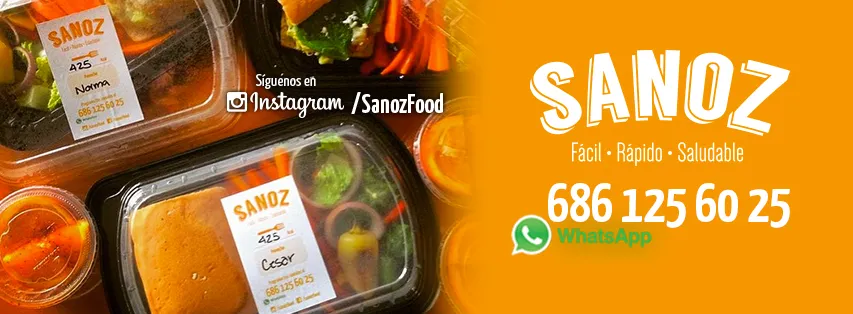
I worked on the creation of the name with my former business partner, designed the logo, developed the labels, uniforms, menus, flyers, and social media assets, and helped shape the visual identity of the brand.
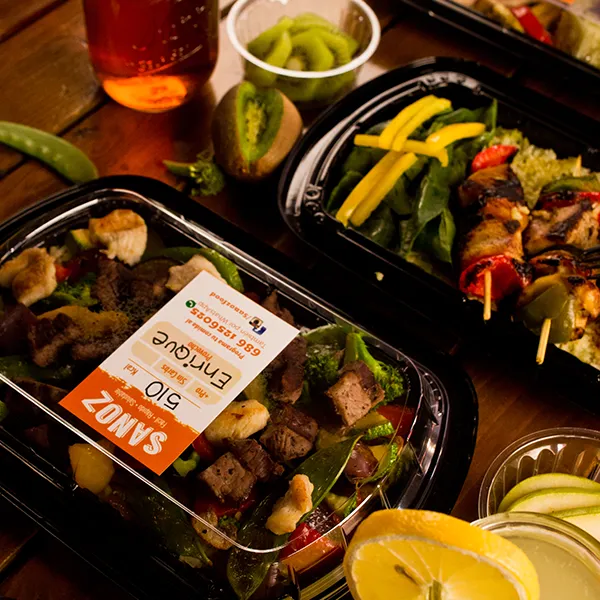
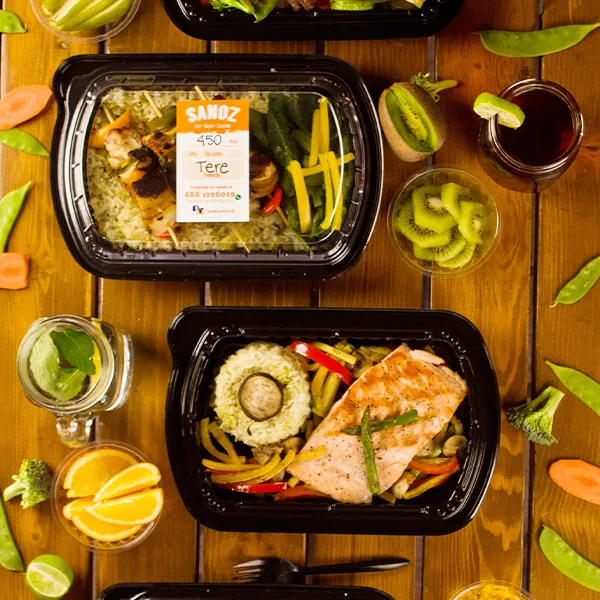
I also worked on the customer experience: how people placed orders, how we communicated with them, how meals were labeled, and how each order could feel more personal. One detail was adding the customer's name to the meal label, turning a simple delivery into a more intentional and personalized experience.
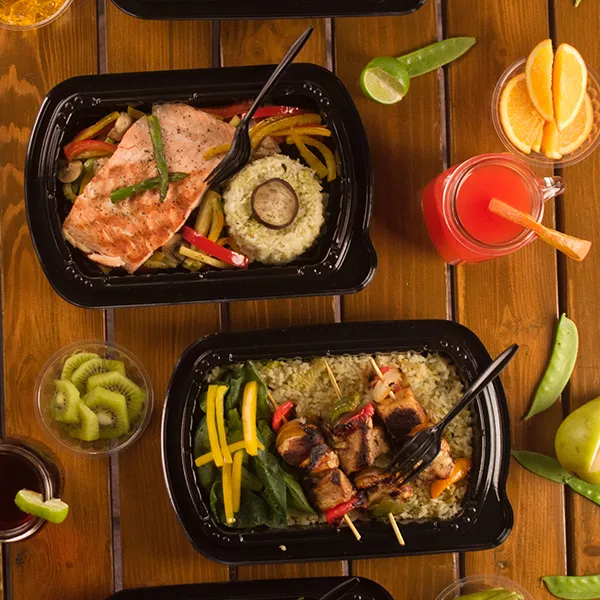
Beyond design, I supported the sales strategy, customer service, delivery logistics, internal kitchen organization, campaign planning, art direction, creative direction, and food photography direction.
Service Model
Sanoz worked as an early version of what today would be understood as a dark kitchen. At the time, we did not use that term, but the model followed that logic: there was no restaurant or public-facing location. The business existed through weekly menus, online communication, production planning, and home or office delivery.
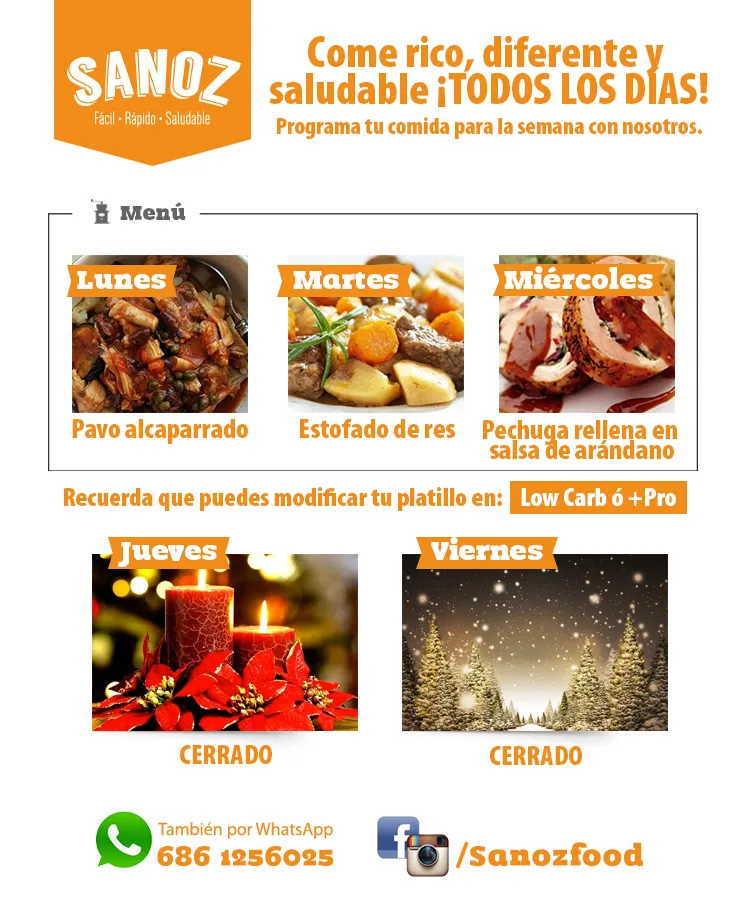
Every Sunday, the official menu was published for the full week. Customers could order the complete week, choose only three days, order from Monday to Thursday, or select other combinations depending on their needs.
Weekly packages had better pricing because they helped the business plan purchases, production, and delivery routes with more accuracy. This model allowed the kitchen to buy ingredients in bulk, reduce waste, organize preparation ahead of time, and manage order volume more efficiently.
The service was intentionally simple: one meal per day, repeated many times, with controlled upgrade options.
System Built
Sanoz worked through a connected weekly system where menu planning, customer communication, kitchen production, labeling, and delivery routes had to operate as one flow. Each part of the service supported the next one, turning a simple meal delivery concept into a repeatable operation.


Brand & Social Media
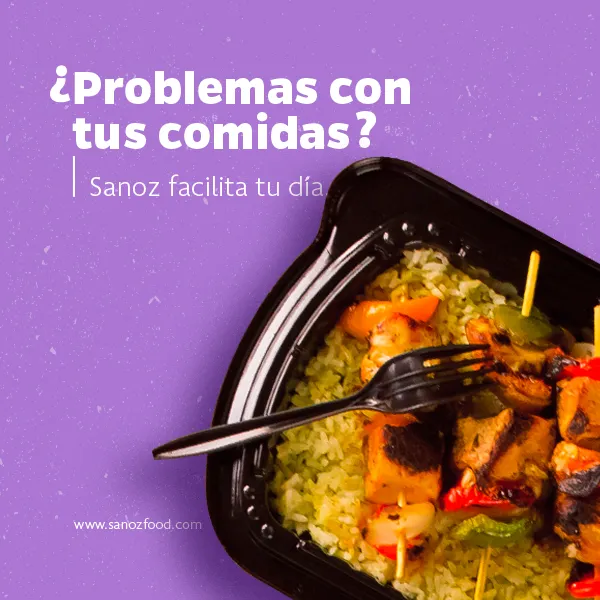
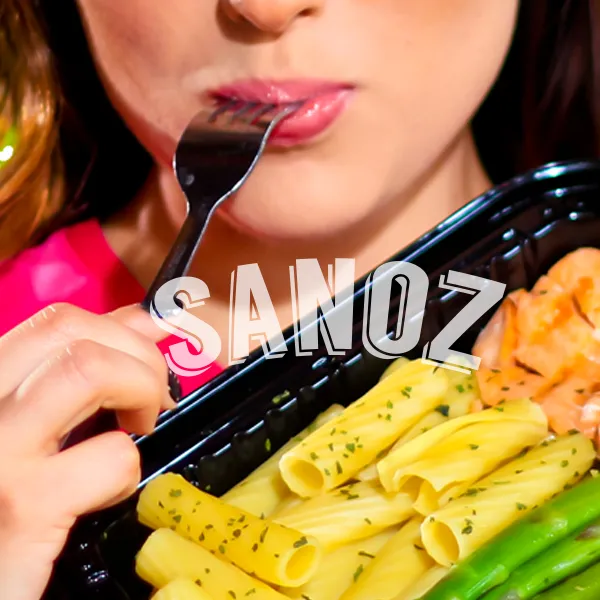
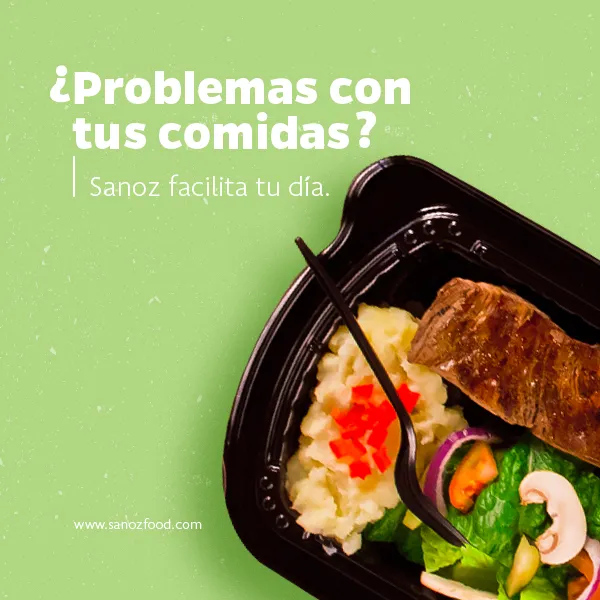
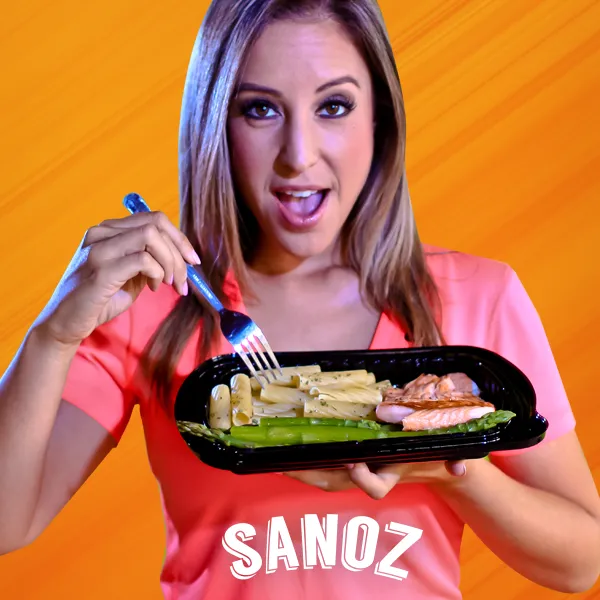
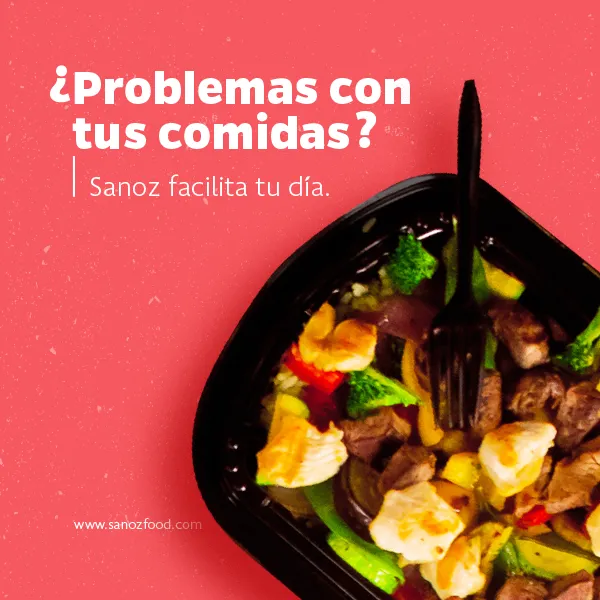
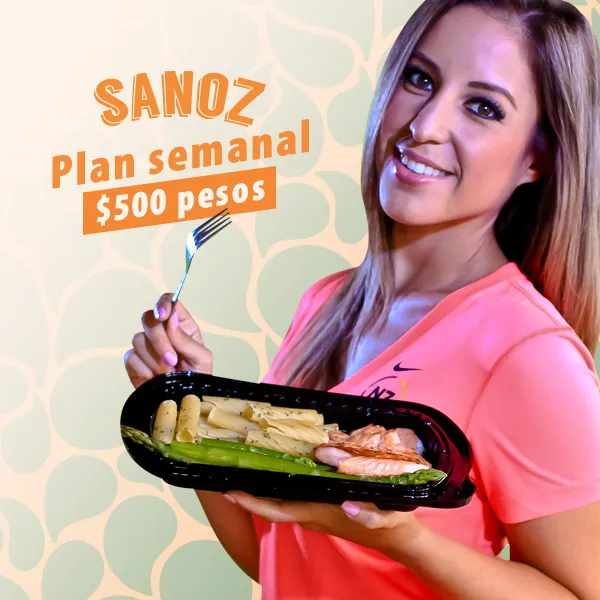
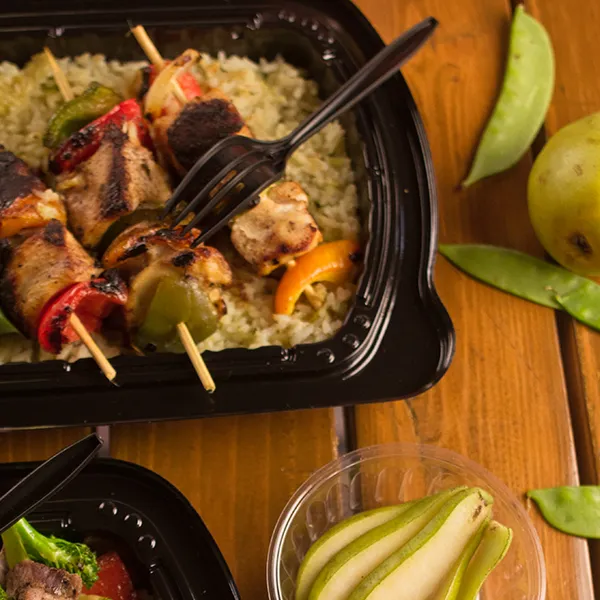
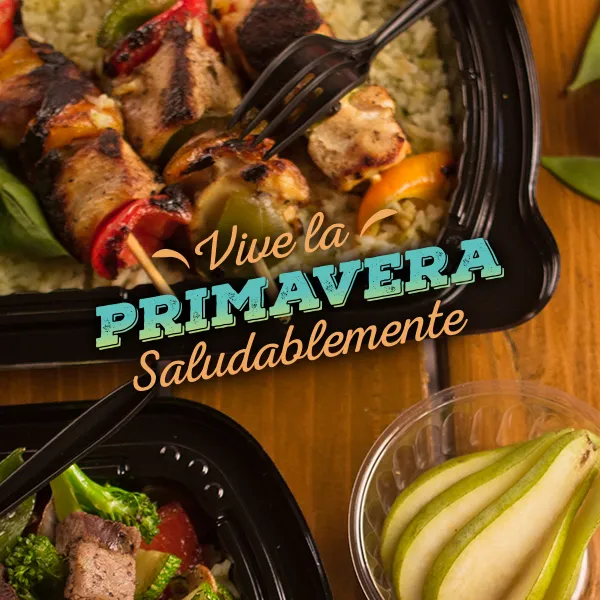
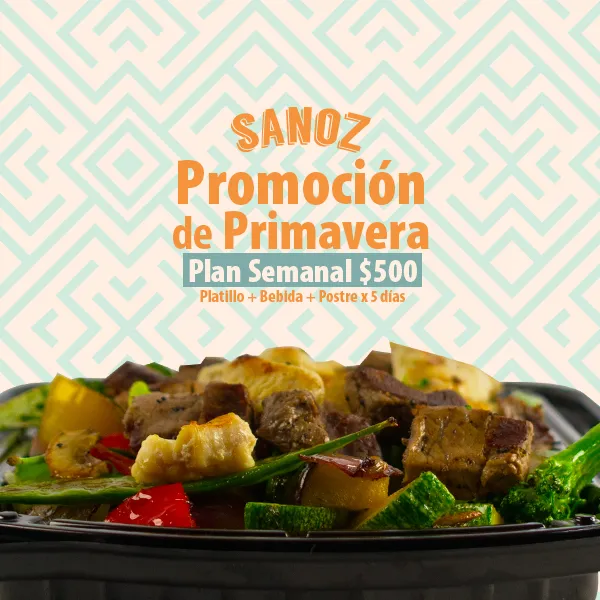
The visual identity of Sanoz was designed to make healthy eating feel approachable, practical, and consistent. The brand system included the logo, business cards, labels, uniforms, social media assets, flyers, and web design for online ordering.
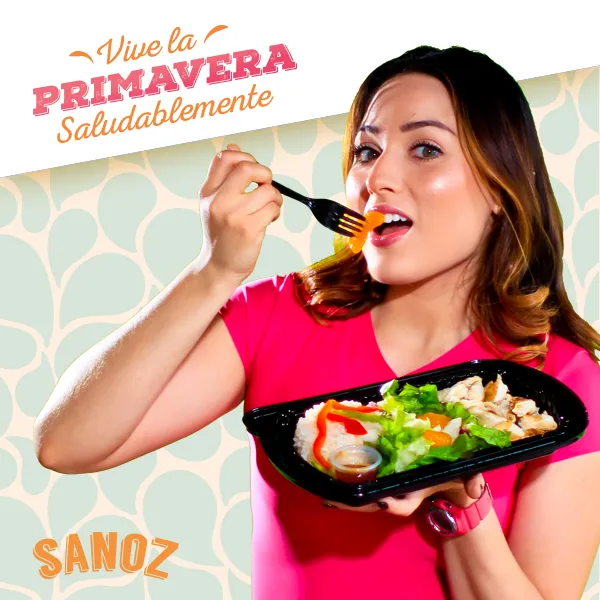
Social media was not only used to post food photos. It was part of the sales and retention system. Campaigns helped introduce menus, promote packages, explain the service, communicate delivery routes, and keep the brand present in customers' weekly routines.
The goal was to attract new customers, convert interest into orders, retain existing customers, and position Sanoz as a practical healthy food solution.

Strategic Decision
One of the most important decisions was knowing what not to offer.
Customers frequently asked for customized menus, but fully personalized meals would have disrupted the business
model. Custom menus would have affected ingredient purchasing, kitchen planning, pricing, preparation time, and
delivery logistics.
Instead of changing the core operation, Sanoz created controlled flexibility through two simple options: extra protein or low carb.
This decision protected the business model while still giving customers a sense of choice.
50–120
Approx. daily customers / orders

1,000–2,400
Approx. monthly orders, based on 20
active delivery days

4
Delivery sectors across the city
At its active stage, Sanoz served approximately 50 to 120 customers per day, with slower days around 45 orders and
stronger days reaching up to 120 daily orders.
Using 20 active delivery days as a working monthly reference, that daily volume represented roughly 1,000 to 2,400
monthly orders. This should be treated as an operational range, not as a financial metric.
That scale required coordination between sales, menu planning, ingredient purchasing, kitchen timing, labeling,
customer communication, and route-based delivery.
The project was not just a visual brand exercise. It was a real operating system with daily customers, production
pressure, customer expectations, and logistical constraints.
Closing Reflection
Sanoz taught me how to build a brand from both the outside and the inside.
From the outside, it needed identity, communication, photography, social media, sales materials, and a clear value
proposition. From the inside, it needed production planning, route logic, ingredient control, customer service, labels,
timing, and operational discipline.
The biggest learning was that everything is experience. The customer experience depended on the internal experience of the team: how orders were organized, how the kitchen worked, how routes were planned, how labels were prepared, and how communication happened across the business.
A meal arriving on time, with the right label, the right modification, and a clear weekly routine was the result of many connected decisions working together.
