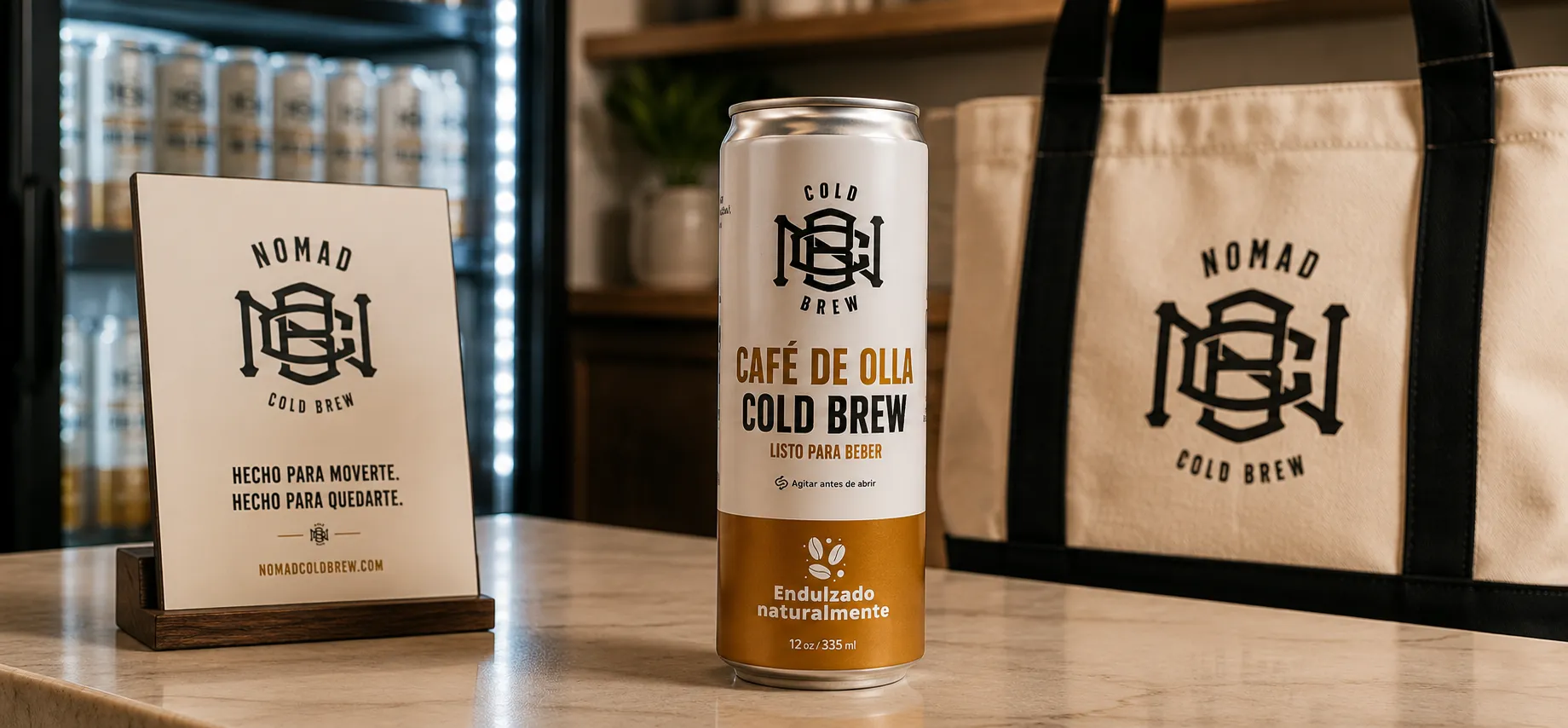
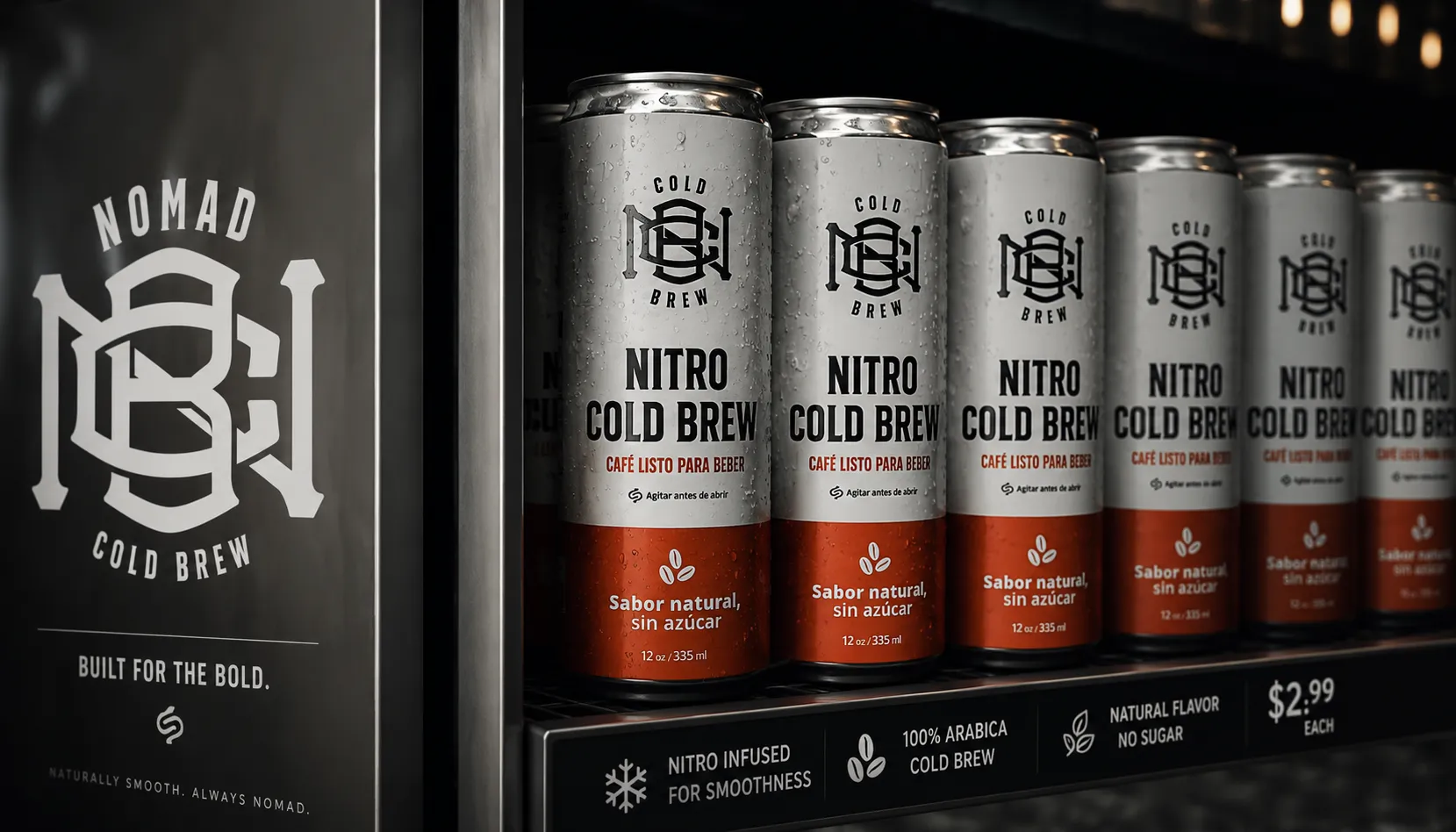
Marketing &
Consumer Education

NOMAD COLD BREW

Building demand by educating the market before asking for the sale.

Cold brew was not a product customers could adopt only by seeing a can, reading a label, or scrolling past a post. The product had to be explained before it could be fully valued.

For Nomad, marketing was not treated as decoration around the brand. It became part of the product adoption strategy: helping people understand what cold brew was, why it felt different from regular iced coffee, how the concentrate worked, and where it could fit into their daily routines.

The inbound challenge was clear: reduce uncertainty, answer objections early, and create enough trust for customers to move from curiosity to trial.

This turned content into a conversion tool. Every explanation, social post, product message, sampling conversation, marketplace description, and WhatsApp response had the same job: make the product easier to understand and easier to buy.
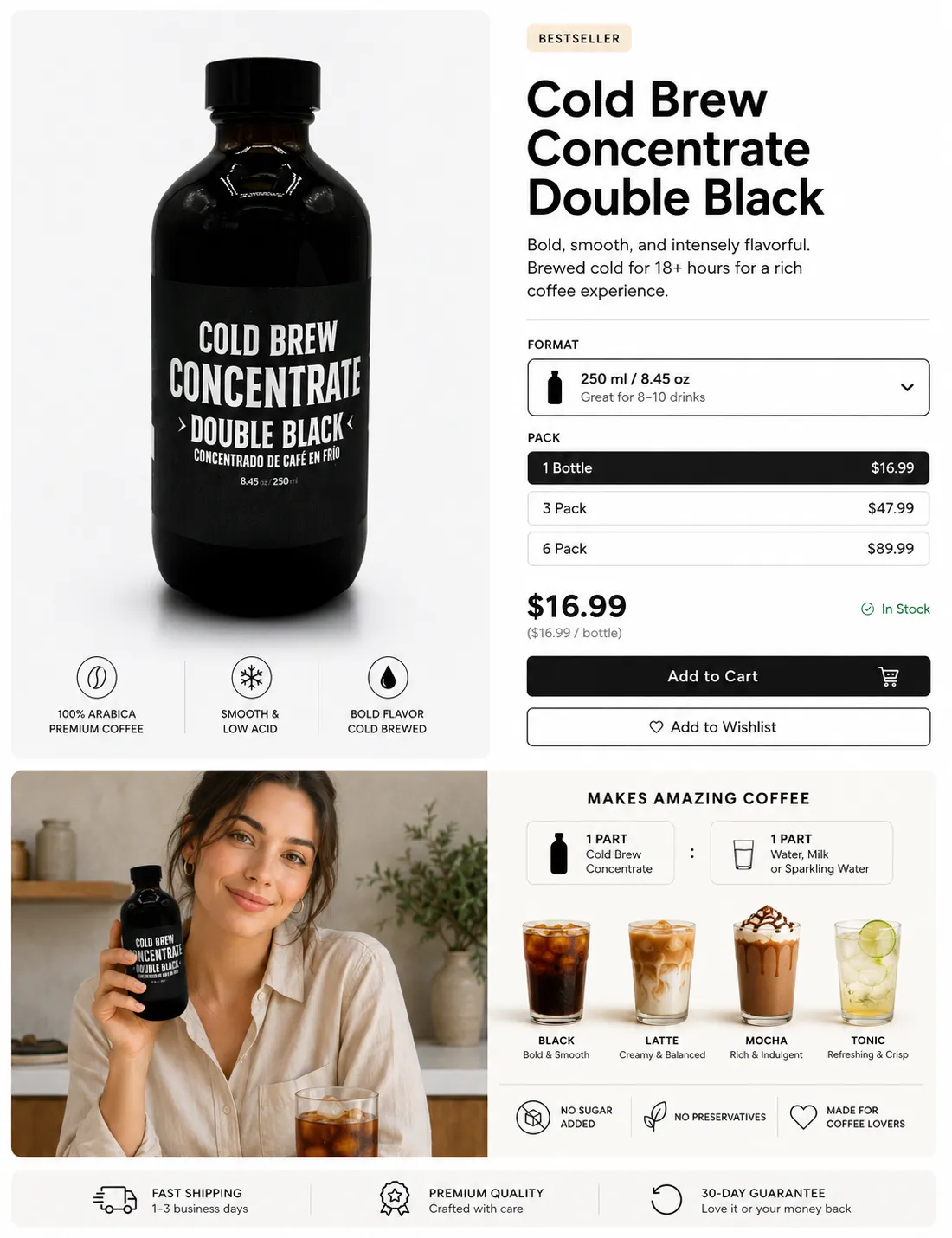
Consumer Education

Cold brew still required education for many customers. Some people understood coffee, but not
necessarily the difference between cold brew, iced coffee, ready-to-drink coffee, and concentrate.

The strategy focused on explaining the product in direct, useful language instead of relying on generic
coffee claims. The message was not simply that Nomad tasted good. The message was that Nomad
solved a specific set of everyday needs: a smoother coffee experience, a practical format, and a more
flexible way to consume coffee cold.

This made the brand easier to approach. Customers did not need to already be cold brew experts to feel
included. The content created a simple entry point: understand the product, imagine how to use it, and feel confident enough to try it.

Explained the difference between cold brew and iced coffee.
Clarified how ready-to-drink and concentrate formats worked.
Helped customers understand strength, flavor, preparation, and usage.
Reduced hesitation by answering practical questions before purchase.

Inbound Content

Nomad's inbound strategy was built from the questions people were already asking. Instead of guessing what to publish, the brand used real customer doubts as the foundation for content.

Questions like "How do I drink it?", "Do I mix it with milk?", "Is it strong?", "How long does it last?", and
"What is the difference between ready-to-drink and concentrate?" became content opportunities.

This created a more useful communication system. Social media was not only used to keep the brand
active; it helped customers move through awareness, consideration, and decision with less friction.

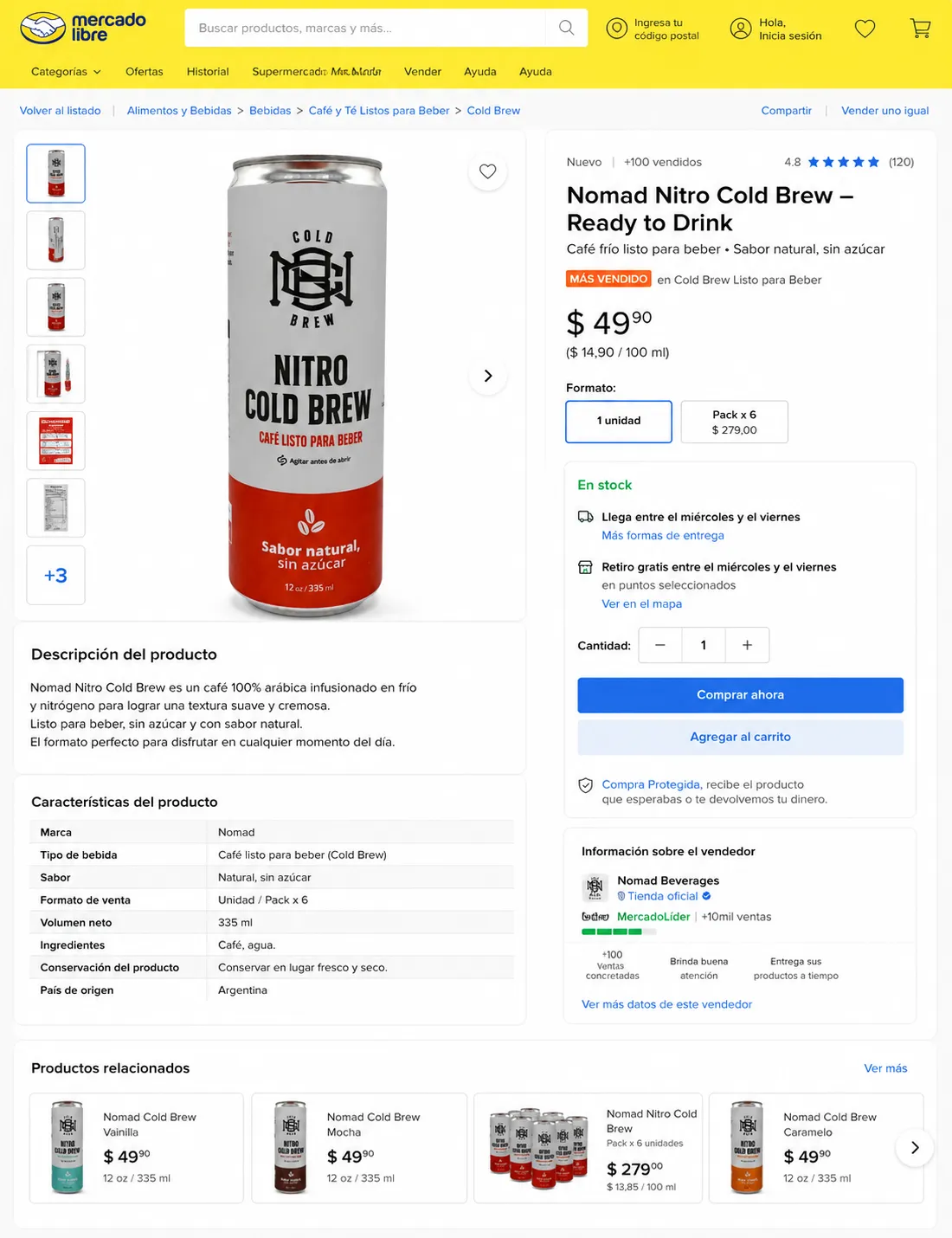
The same logic also supported marketplace listings, direct messages, sampling scripts, and sales
conversations. The brand did not need to explain itself differently in every channel. It had a clear educational language that could travel across the full customer journey.

Use-Case Marketing

Selling the routine, not only the beverage.

A key part of the strategy was to position cold brew around real consumption moments. The product became easier to sell when people could picture when, where, and why they would drink it.

Instead of presenting Nomad only as a premium coffee product, the communication connected it to practical moments: morning routines, office days, fitness lifestyles, home preparation, weekend drinks, recipes, and cold brew as a mixer.

This shifted the message from product description to lifestyle relevance. Customers were not just being told what the product was. They were being shown how it could fit into their lives.

Morning energy without overcomplicating the routine.
A practical coffee option for workdays and office habits.
A flexible base for milk, recipes, and mixed drinks.
A product that could be used at home, on the go, or in social moments.

Sales Enablement

Making marketing useful at the point of purchase.

The strongest part of the marketing system was that it did not stop at content. It supported the actual selling process.
The same educational messaging used in digital channels helped explain the product during sampling, retail conversations, WhatsApp responses, direct outreach, and customer follow-ups. That consistency made the brand easier to communicate and easier to trust.

For a product that required explanation, this mattered. The brand could not depend only on visual appeal.

It needed a message clear enough to support a conversation, a shelf decision, a marketplace click, or a repeat purchase.

Marketing became sales infrastructure: a way to make the product easier to pitch, easier to understand,
and easier to recommend.

Outcome

The role extended far beyond branding or marketing execution.

Nomad's marketing and consumer education system helped connect brand awareness with customer action. It created a path where people could discover the product, understand why it was different, see how it could fit into their routine, and feel more confident buying it.

The work was not about creating content for content's sake. It was about removing friction from the customer journey and turning education into demand.

This made the project stronger as a business case: the brand was not only designed to look distinctive. It
was built to explain itself, support sales, and help customers adopt a product category that still needed context.

The objective was not only to make people notice Nomad.

It was to help them understand the product well enough to try it, trust it, and make it part of their routine.

That is the value of inbound marketing inside this project: education was not a separate layer from sales. It
was the bridge between product innovation and customer adoption.