Founder Learnings & Operations
Building Nomad Cold Brew was not only a brand or product design exercise.
It became a real-world operating system for learning how strategy, production, retail, marketing, and execution connect when a product has to survive outside the screen.
Every decision had to work in practice: in the kitchen, in storage, in delivery, on a shelf, in a customer's hand, and inside a business model that needed to keep moving.
What Building Nomad Taught Me
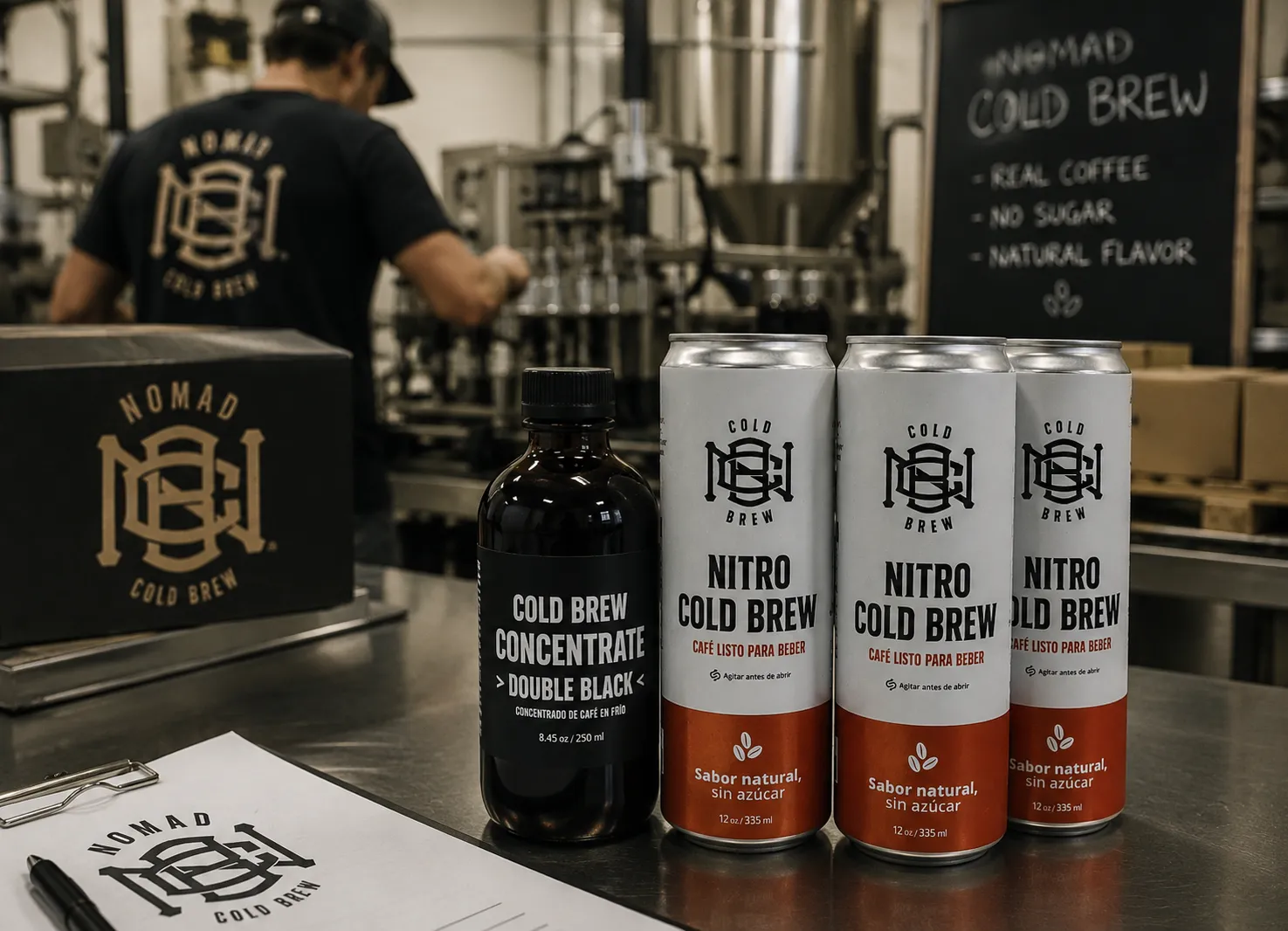
Nomad Cold Brew forced me to understand product design beyond the visual layer. The brand, the packaging, the recipes, the sales strategy, the production process, and the customer experience all had to work together as one system.
As a founder, I had to move between strategy and execution constantly. One day could involve defining brand positioning, the next could involve testing shelf life, adjusting production documentation, preparing retail pricing, coordinating sampling, or solving logistics problems.
That experience shaped how I now approach product and business design: a good idea is only valuable when it can be produced, explained, sold, repeated, and improved.


Founder Learnings

Design has to survive operations
A product can look strong in a presentation, but the real test happens when it enters production, storage, transport, retail, and customer use. Nomad taught me to design with execution in mind from the beginning.

A small company needs big-company thinking
Even with limited resources, the business needed structure: production sheets, cleaning logs, batch tracking, shelf-life testing, pricing logic, and sales documentation. That operational mindset helped the brand feel more prepared and scalable.

Retail is not only about getting on the shelf
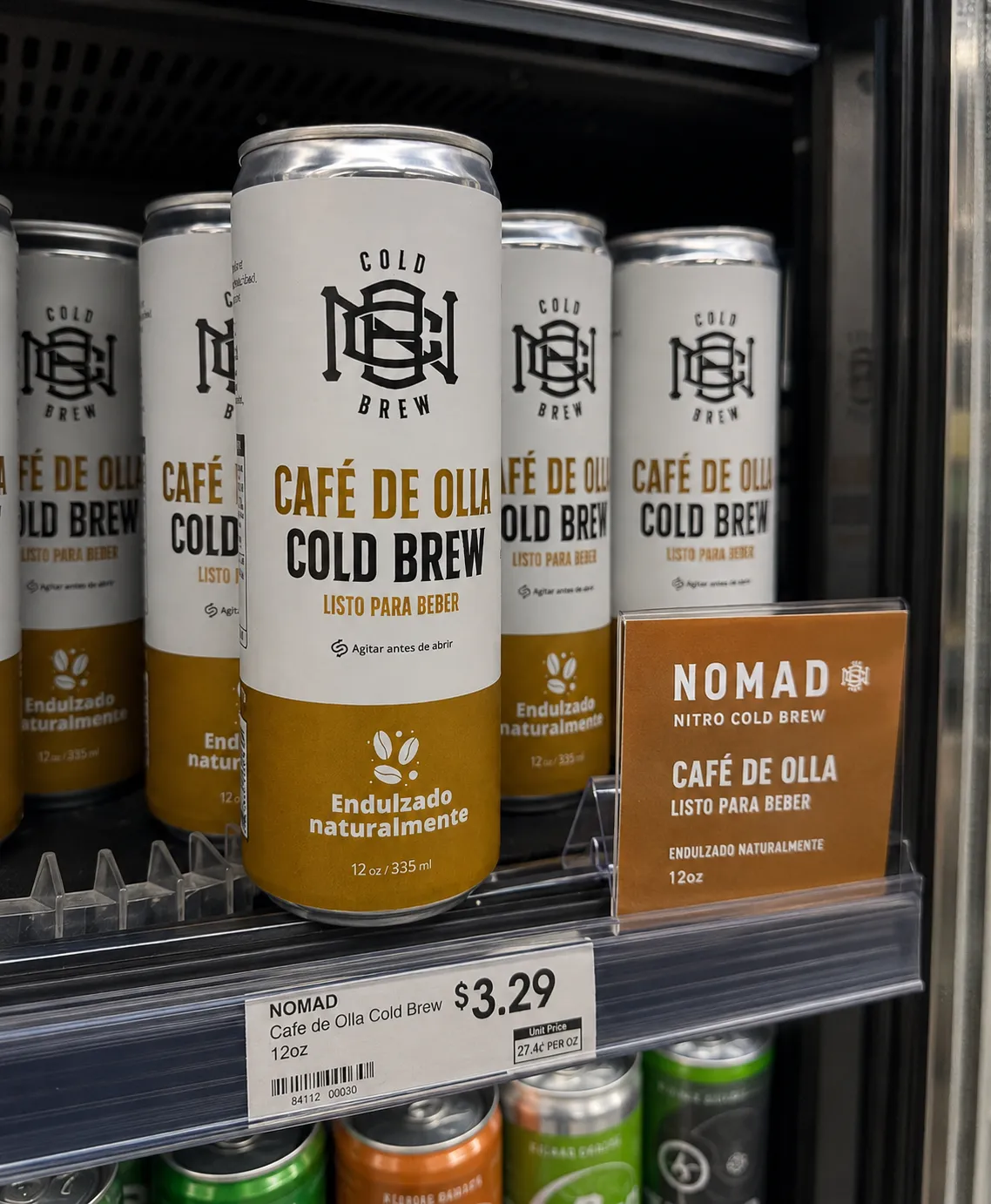
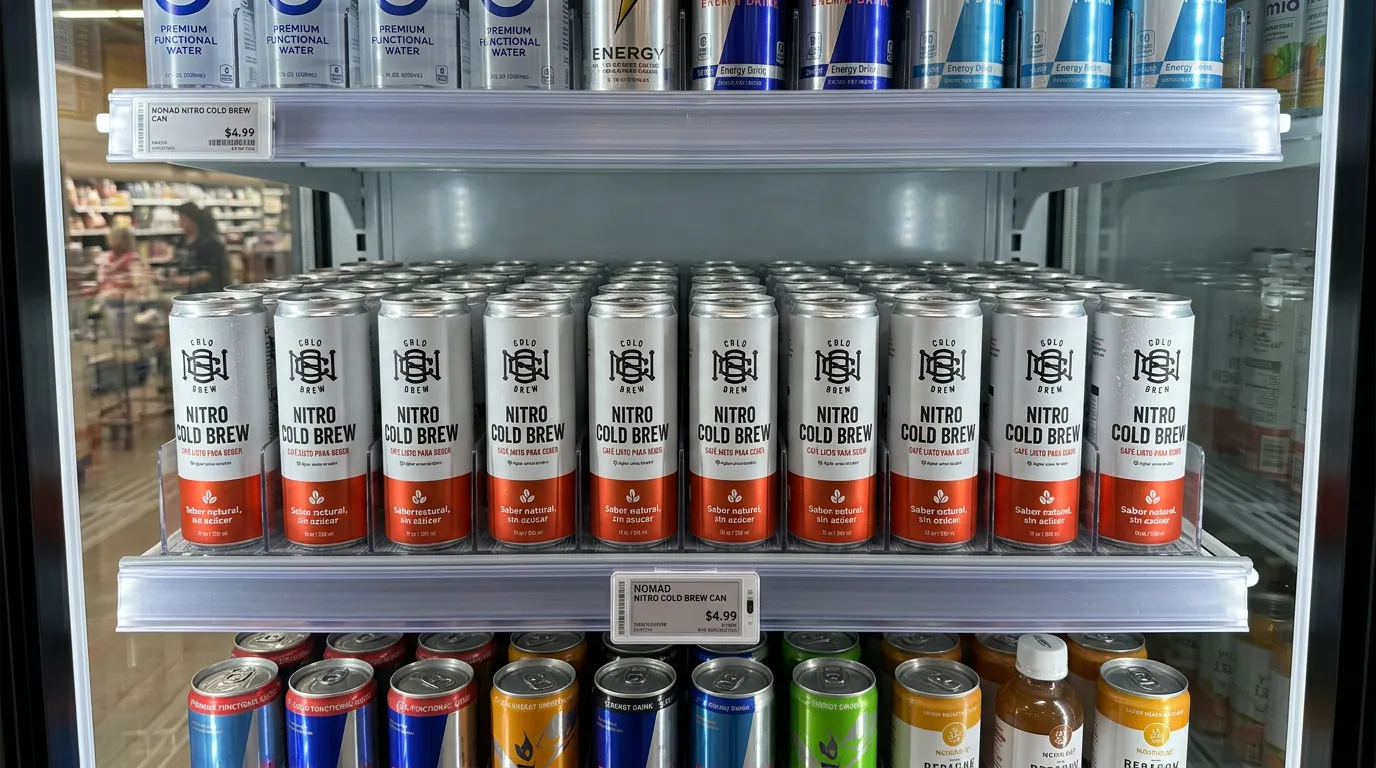
Being present in retail is only the first step. The product still has to communicate clearly, compete visually, fit operational requirements, support margins, and make sense for the buyer, the store, and the end customer.

Sampling builds trust faster than explanation
Cold brew, especially concentrate, required education. Direct sampling, product demos, and human interaction helped people understand the product faster than any static message could.

Not every idea should become a product
Some product ideas were discarded because they required processes, equipment, or costs that did not make sense at that stage. Learning what not to launch became as important as deciding what to build.

Operations are part of the customer experience
Packaging, consistency, delivery, shelf life, and availability all affect how people perceive the brand. The experience does not end with the label; it continues through every operational detail.
Production Control
Built standard operating procedures and quality checkpoints across brewing, batching, and bottling to ensure consistency at every step.
Packaging Readiness
Developed packaging systems that balanced shelf impact, durability, and production efficiency — ready for retail scale.
Retail Scalability
Created repeatable workflows for forecasting, fulfillment, and support to grow with demand across markets.
Closing Reflection
Nomad Cold Brew became more than a coffee brand. It became a case study in building from zero: defining a product, shaping a brand, creating demand, entering retail, testing production limits, and learning how every decision affects the system around it.
The most valuable outcome was not only the product itself, but the operating knowledge gained through building, testing, selling, adjusting, and improving a real consumer brand.
That experience now informs how I approach every project: not just as a designer, but as someone who understands how ideas become systems, and how systems create business value.