Product Design
& Development
A founder-led product system built around consistency, shelf stability, packaging decisions,
retail readiness, and operational scale.
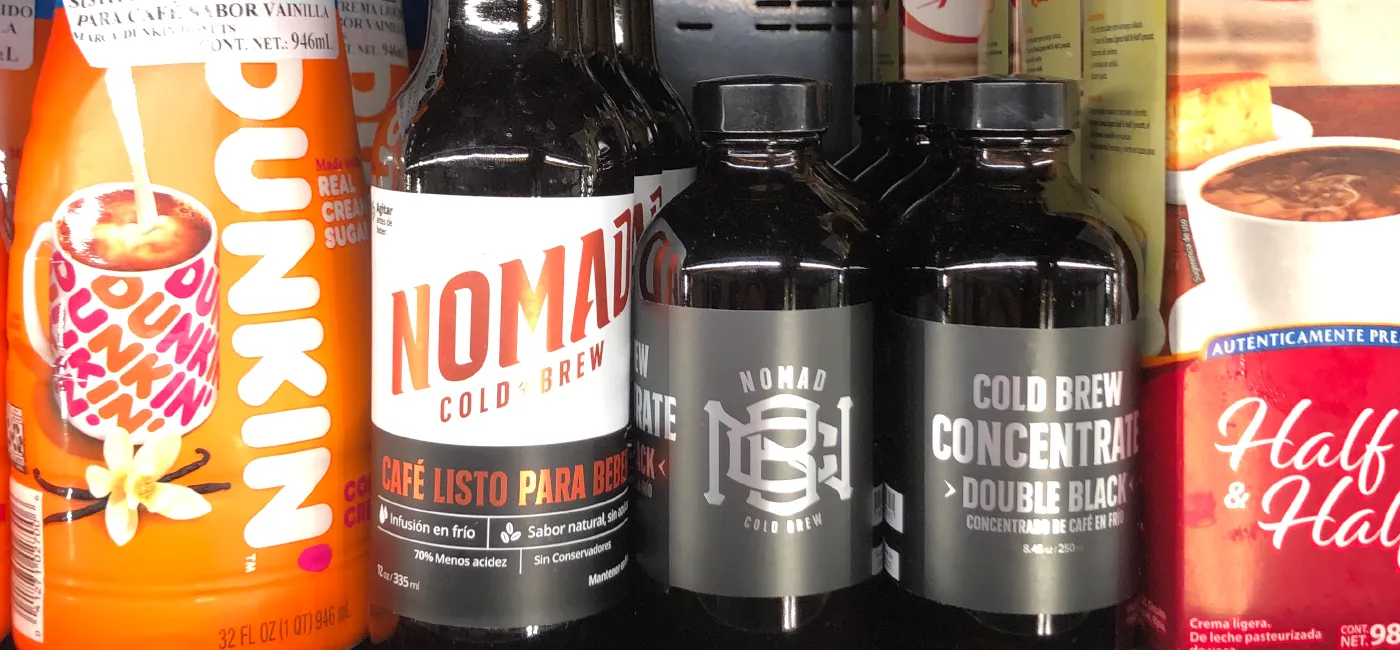
Nomad Cold Brew was designed beyond the visual layer. The work connected recipe development, production workflows, sanitation, packaging, logistics, shelf-life validation, and customer behavior into one operating system for a real beverage business.
repeatability, packaging, logistics,
and retail scalability.
workflow design, QA thinking, product
decisions, and retail preparation.
Concentrate, and Cold Brew de Olla.
Intro
Nomad Cold Brew started with a product-first mindset. The goal was not only to create a good-tasting beverage, but to build a product system that could perform under real operational conditions: production, transportation, shelf life, retail placement, marketplace shipping, and repeatable quality.
Every decision had to balance flavor, workflow, packaging, logistics, cost, customer education, and scalability at the
same time. That made product design a business and operations discipline, not only a recipe exercise.
Product System Thinking
From the beginning, the operation was documented as if it were preparing to scale. The product system included:


This structure reduced ambiguity between production cycles and helped turn a small-batch process into a more
controlled, scalable operating model.
Product Development Process
The development process combined experimentation with operational practicality. Recipes evolved through flavor
testing, production limitations, retail requirements, transportation constraints, and customer behavior.
The most difficult challenge was not creating recipes. The harder problem was translating those recipes into repeatable production systems without losing consistency. Early production was extremely manual; by the second year, workflow improvements reduced a significant portion of that manual workload and created a clearer path toward scale.
Product Lines
Cold Brew
compatibility, and everyday
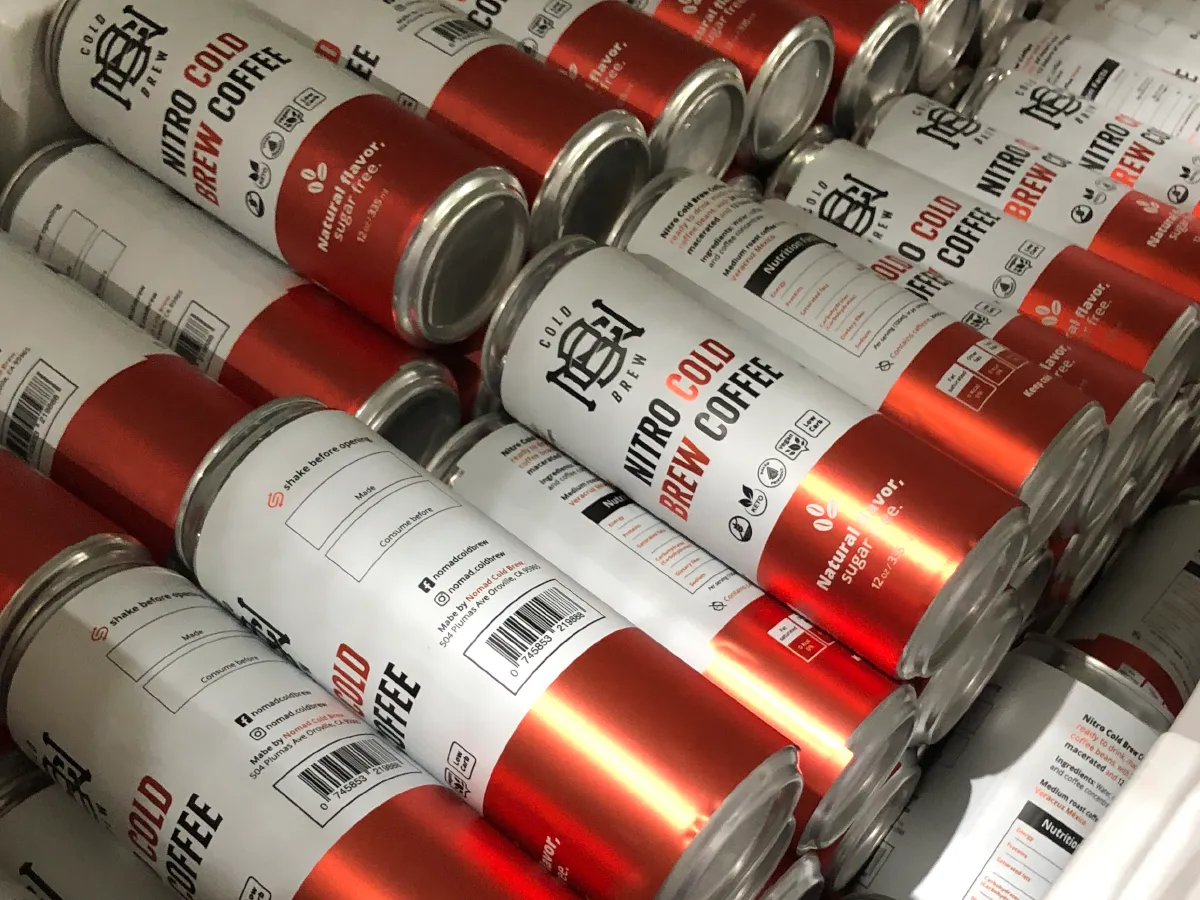
consumption. The RTD products used
coffee sourced from Veracruz as part of
the formulation process.
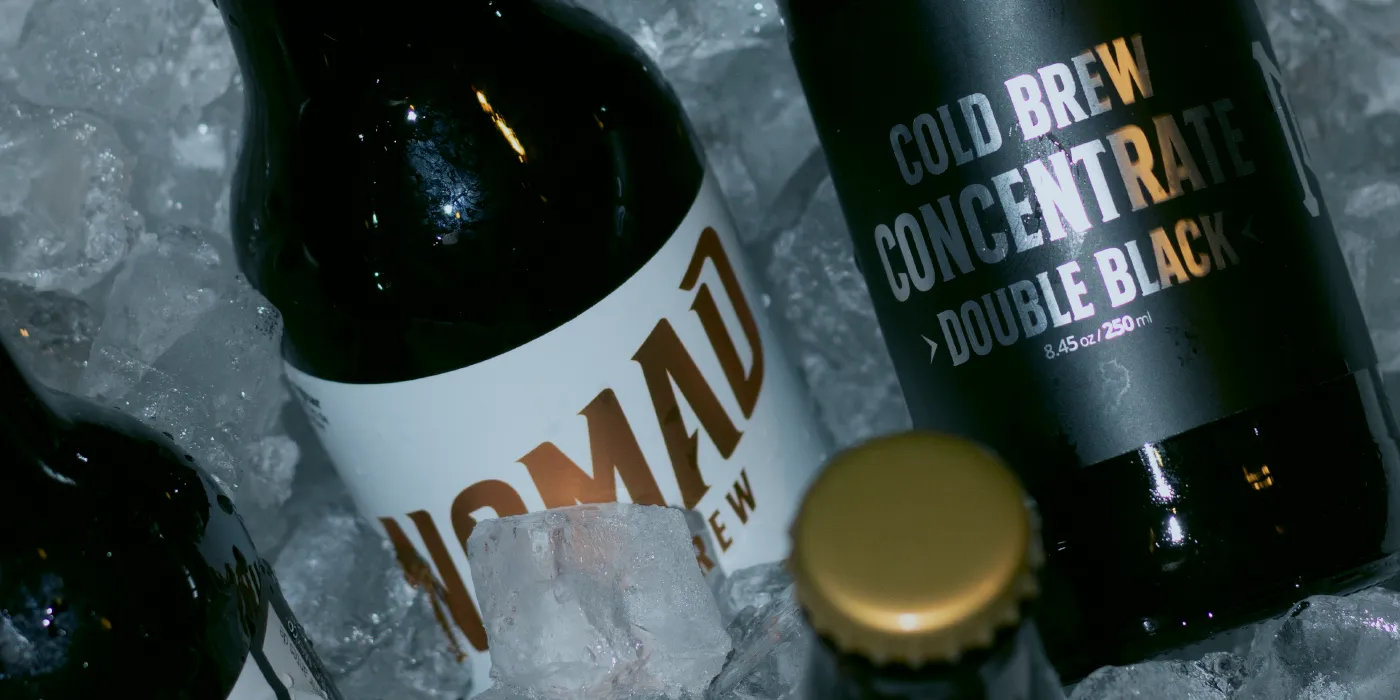
customer education around preparation
ratios, usage flexibility, serving size, and
value perception.
specifically used coffee sourced from
Oaxaca as part of its recipe identity and
flavor profile.
Packaging Decisions
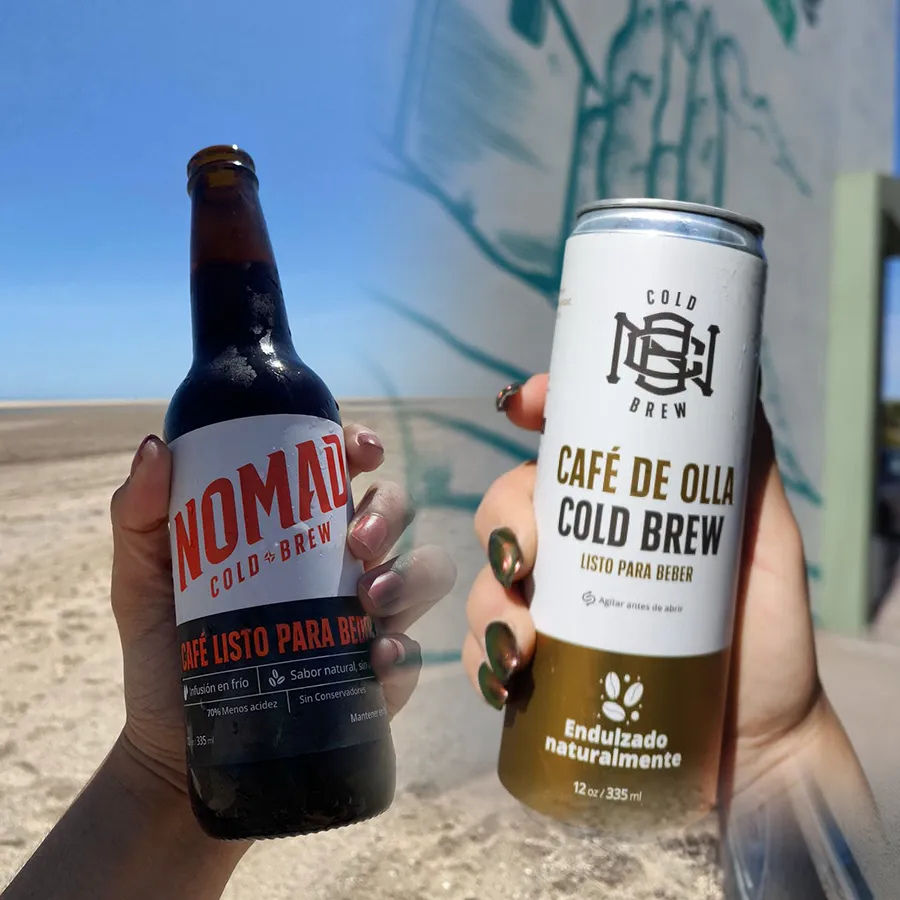
● Heavier to ship
●Less efficient for marketplace fulfillment
● More vulnerable during transportation
● Lower scalability for retail and delivery
● More durable for fulfillment
● Better aligned with retail presentation
● Lower transportation risk
● More scalable for marketplace and retail distribution
Porfolio Insight
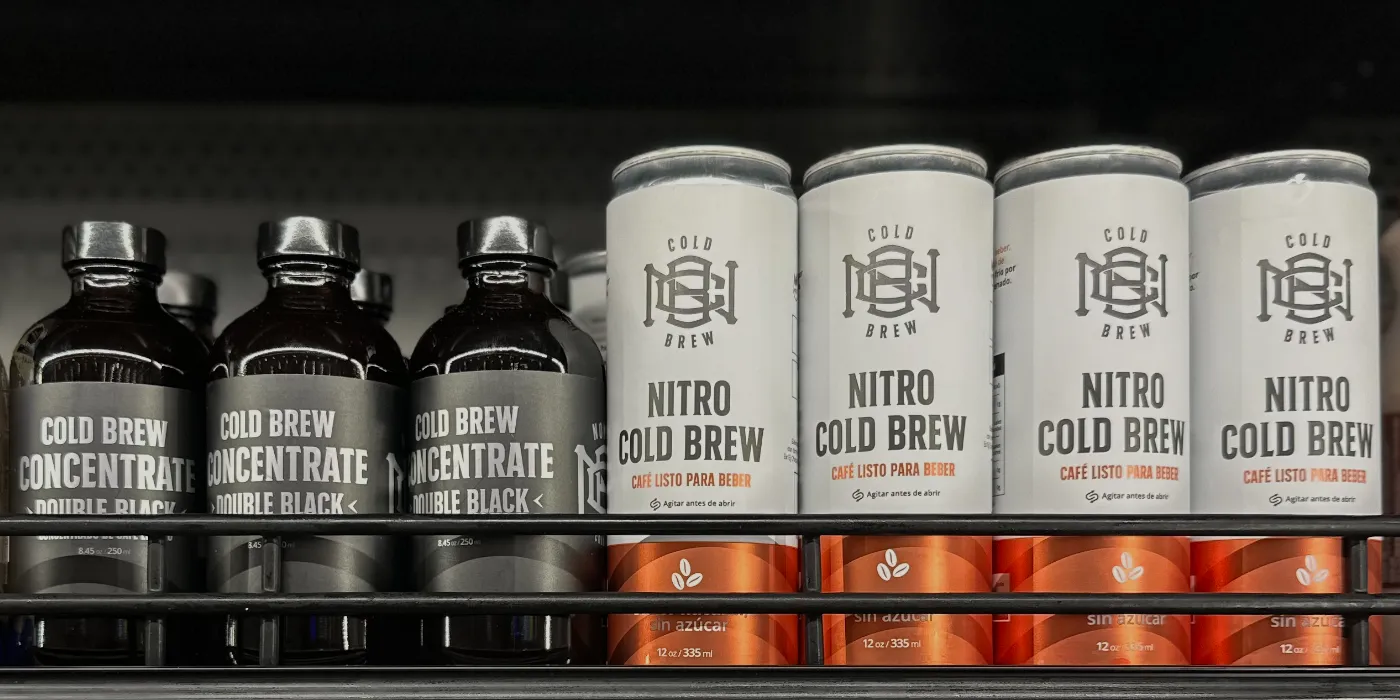
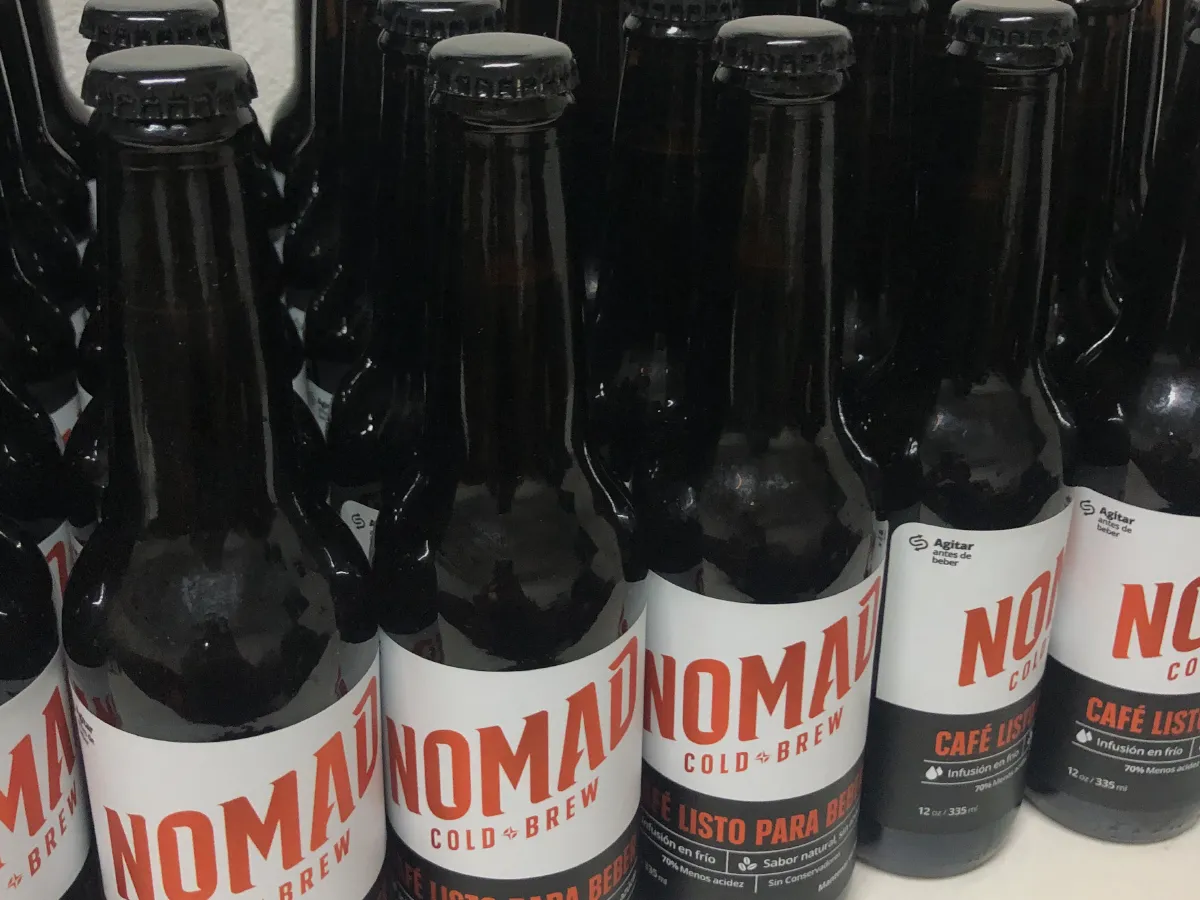
The packaging decision shows how a visual product choice can become an operational and business decision. The best format was not just the one that looked better - it was the one that made the product easier to move, sell, store, ship, and scale.
Shelf Life & Canning Process
Shelf stability became one of the most important areas of experimentation. Products were periodically sent to
laboratories, while additional internal testing was conducted through controlled storage periods. Cans were labeled by timeline and opened periodically to validate condition, flavor, and performance.
The canning process also revealed a critical operational lesson: having a canning machine was not enough. A viable
canned beverage required a full system around equipment cleaning, can sanitization, process control, timing,
documentation, and operational consistency.
This discipline directly influenced shelf performance and helped define what the product needed before it could be
treated as retail-ready.
Production Workflow / Behind the System
A repeatable production workflow was built to document and control the process behind each batch.


optimal extraction.

taste calibration.


& shelf-life.
Designed to reduce variability and prepare operations for scale
Product Decisions & Constraints
A repeatable production workflow was built to document and control the process behind each batch.

● Milk-based formulations
● Functional add-ins

● Shelf stability limitations
● Operational complexity

● Better production control
● More scalable operations
Operational limitations helped define the final product strategy.




Closing Statement
Nomad Cold Brew became more than a beverage brand. It became a real-world product development system where
branding, operations, logistics, shelf life, packaging, and customer behavior continuously influenced each other.
The project demonstrated how product design decisions can directly affect operational sustainability, retail readiness,
customer experience, and long-term scalability.